Seminoma
Seminoma generally develops more slowly than non-seminomatous tumours and is highly sensitive to appropriate cancer treatment.
Dr. Nitin Singhal is a surgical oncologist in Ahmedabad providing diagnosis, surgical management and treatment planning for testicular cancer and other urological cancers.
Patients searching for testicular cancer treatment Ahmedabad or robotic testicular cancer surgery Ahmedabad can undergo an individual assessment based on tumour type, stage, tumour markers, imaging findings, fertility goals and overall health.

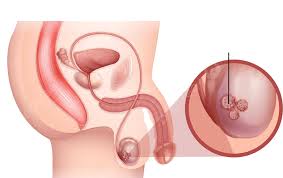
Testicular cancer occurs in one or both testicles, which are part of the male reproductive system and are responsible for producing sperm and testosterone.
Although relatively uncommon compared with many other cancers, testicular cancer is especially important in younger men. Most testicular cancers are germ-cell tumours and are broadly classified into seminoma and non-seminoma.
Testicular cancer is highly treatable, particularly when detected early. A painless lump, swelling, heaviness in the scrotum or persistent discomfort should be medically evaluated.
Testicular cancer can sometimes develop without significant pain. Knowing the possible warning signs can encourage timely evaluation.
A new lump or swelling in a testicle should be evaluated by a medical professional.
Enlargement, firmness or another persistent change in a testicle may require examination.
A persistent feeling of heaviness or unusual fullness in the scrotum should not be ignored.
Dull pain or aching in the lower abdomen, groin or scrotum can have several causes and may need evaluation.
Sudden fluid collection, persistent pain or discomfort in the scrotum should be medically assessed.
Hormonal effects can occasionally cause breast tenderness or enlargement and may require evaluation in context.
Any new lump, swelling, enlargement or persistent discomfort should be assessed clinically. Examination and appropriate diagnostic tests are needed to determine the cause.
Germ-cell tumours are the main category of testicular cancer, with seminoma and non-seminoma representing the major groups.
Seminoma generally develops more slowly than non-seminomatous tumours and is highly sensitive to appropriate cancer treatment.
Non-seminomatous germ-cell tumours may grow more quickly and can include several subtypes. Treatment depends on stage, tumour markers and pathology.
Some cancers contain more than one germ-cell component. Treatment is guided by tumour components, stage and markers.
Other uncommon tumours can arise in the testicle and may require a different specialist treatment approach.
Diagnosis involves clinical assessment, imaging, tumour-marker blood tests and specialist evaluation to understand the tumour and determine its stage.
The testicles and scrotum are examined for lumps, swelling, changes in size, tenderness or other abnormalities.
Ultrasound is commonly used to determine whether an abnormal area is located within the testicle.
AFP, beta-hCG and LDH may assist with diagnosis, staging, treatment planning and follow-up.
CT may be used to evaluate retroperitoneal lymph nodes, the chest and other areas for possible spread.
Removed testicular tissue is examined to determine tumour type and guide further management.
Pathology, imaging and tumour-marker results are considered together to plan surveillance or additional treatment.
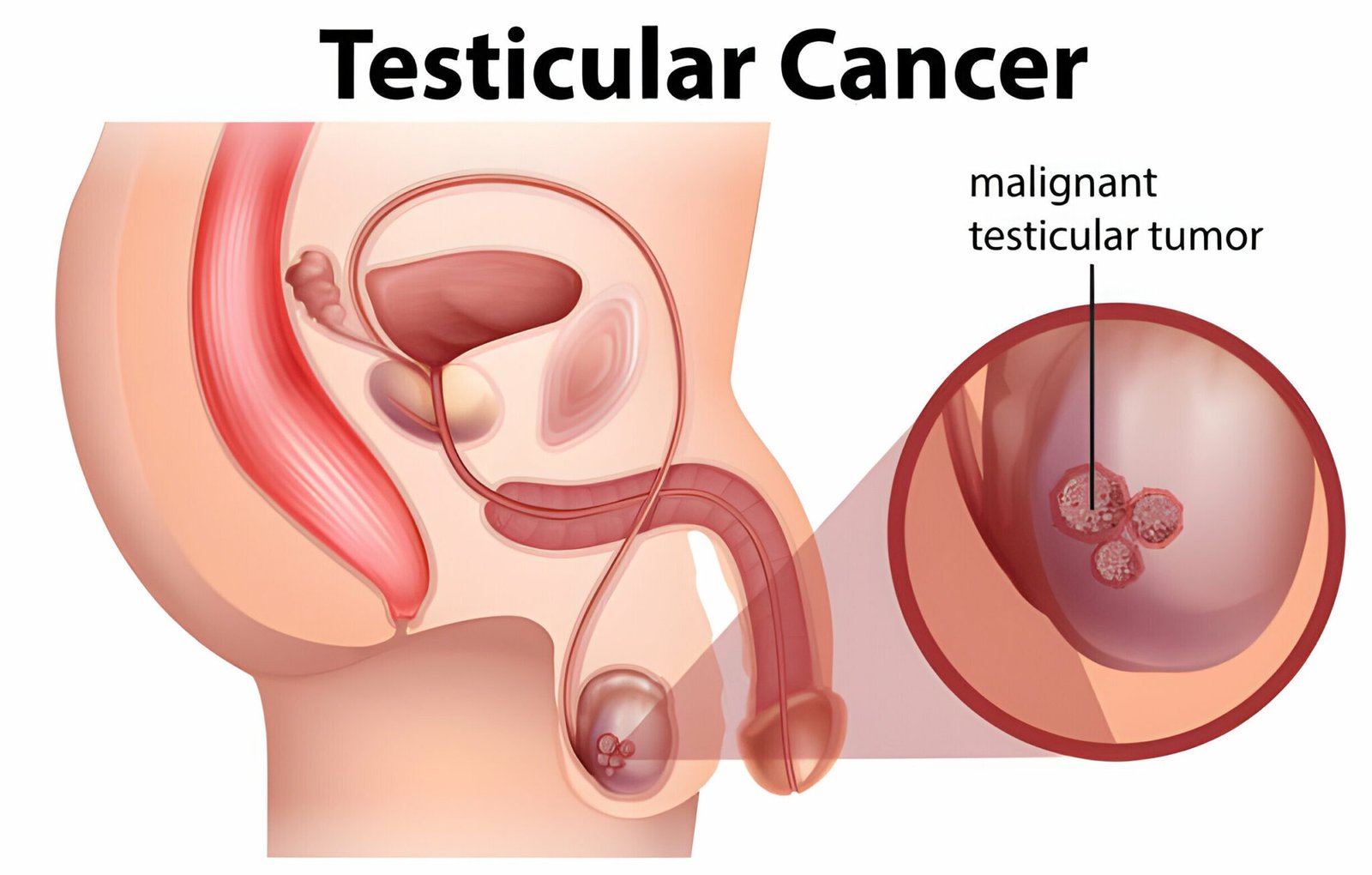
Testicular cancer treatment is tailored according to the tumour type, stage, tumour markers and individual patient needs.
Treatment may involve surgery, chemotherapy, radiation therapy, active surveillance or combinations depending on the diagnosis.
orchiectomy surgery is the standard initial surgical treatment for many testicular cancers. The affected testicle and spermatic cord are removed through an inguinal approach.
RPLND may be used in selected patients when cancer involves, or has a significant risk of involving, retroperitoneal lymph nodes.
Systemic chemotherapy is an important treatment for many germ-cell tumours depending on stage, pathology and tumour markers.
Radiation may be considered in selected seminoma cases according to stage and the overall oncology plan.
Carefully selected low-risk patients may be managed with structured surveillance after initial surgery.
Treatment may involve surgical oncology, medical oncology, radiology, pathology and fertility specialists.
RPLND robotic surgery may be considered for selected patients requiring retroperitoneal lymph-node dissection, depending on disease characteristics, previous chemotherapy, anatomy and surgical complexity.
The role of robotic testicular cancer surgery Ahmedabad is primarily in selected associated procedures such as minimally invasive retroperitoneal lymph-node surgery rather than replacing standard inguinal orchiectomy.
testis tumor surgery commonly begins with radical inguinal orchiectomy. Additional retroperitoneal surgery is only considered when indicated by pathology, tumour markers, imaging and treatment response.
Stage indicates how far testicular cancer has spread and helps determine the appropriate treatment strategy.
Cancer is confined to the testicle. Treatment commonly begins with radical inguinal orchiectomy, followed by surveillance or additional treatment according to risk.
Cancer has spread to nearby retroperitoneal lymph nodes. Treatment may include chemotherapy and, in selected cases, RPLND depending on tumour type and marker levels.
More advanced disease may involve distant lymph nodes or organs. Systemic chemotherapy generally plays an important role.
Testicular cancer is generally classified using its established staging and prognostic systems rather than a conventional Stage IV category. Extensive metastatic disease is treated according to tumour type, markers, sites of spread and treatment response.
Testicular cancer often affects younger men, making fertility an important part of treatment planning. Surgery, chemotherapy and radiation can affect reproductive function depending on treatment and individual circumstances.
Fertility preservation should therefore be discussed before treatment whenever appropriate.
Men who may wish to have children in the future can discuss sperm banking before chemotherapy or other treatment that may affect sperm production.
Testicular cancer treatment requires accurate diagnosis, appropriate staging and coordinated surgical and oncological care.
Dr. Nitin Singhal's urologic oncology practice includes testicular cancer surgery and advanced minimally invasive approaches where clinically appropriate.
Patients searching for robotic testicular cancer surgery Ahmedabad can undergo an individual assessment to determine whether minimally invasive robotic retroperitoneal surgery is relevant to their stage and treatment plan.
testicular cancer treatment Ahmedabad may involve orchiectomy, active surveillance, chemotherapy, radiation therapy, RPLND or combinations of treatment according to tumour type, stage and markers.
orchiectomy surgery through the inguinal approach is the standard initial operation for many testicular cancers.
RPLND robotic surgery may be considered in selected patients who require retroperitoneal lymph-node dissection and are suitable for a minimally invasive approach.
testis tumor surgery should be planned after reviewing ultrasound findings, tumour markers, CT imaging, pathology, cancer stage and future fertility considerations.
Patients searching for the best testicular cancer surgery hospital in Ahmedabad should consider surgical oncology expertise, urologic cancer experience, pathology, tumour-marker testing, imaging, medical oncology, fertility counselling and appropriate access to open and minimally invasive surgery.
These verified public experiences relate to Dr. Nitin Singhal's cancer care and surgery. The published reviews below do not identify testicular cancer specifically.
A verified Practo patient described Dr. Singhal as friendly, clear in explaining the illness and professional in discussing test results and treatment.
Nirbheek Doyal highlighted Dr. Singhal's clear explanations, pre-surgery preparation, smooth surgery and attentive postoperative follow-up for a relative.
Rachael and George described Dr. Singhal as caring and communicative, saying that detailed explanations helped reduce anxiety during treatment.
Answers to common questions about symptoms, diagnosis, fertility, treatment and recovery.
Warning signs can include a painless testicular lump, swelling, enlargement or change in testicle size, heaviness in the scrotum or a dull ache in the groin or lower abdomen. Persistent changes should be evaluated.
Evaluation generally involves physical examination, scrotal ultrasound and blood tests for tumour markers such as AFP, beta-hCG and LDH. CT imaging may be used for staging. Tumour type is established through pathological assessment.
Testicular cancer and its treatment can affect fertility in some men. Sperm banking may be discussed before chemotherapy or other fertility-affecting treatment.
Testicular cancer is generally highly treatable, particularly when detected early. Outcome depends on tumour type, stage, marker levels, overall health and response to treatment.
Radical inguinal orchiectomy is the standard initial surgical treatment for many testicular cancers. The affected testicle is removed through an inguinal approach.
RPLND stands for Retroperitoneal Lymph Node Dissection. It is used in selected patients when cancer involves, or has a significant risk of involving, lymph nodes in the retroperitoneum.
No. Treatment depends on tumour type, stage and individual risk factors. Some patients may undergo surveillance after surgery, while others require chemotherapy, radiation or additional surgery.
Many men can continue normal daily life after removal of one testicle. The remaining healthy testicle may continue to produce testosterone and sperm, although fertility and hormone function should be considered individually.
Testicular cancer is more common in younger men. A history of an undescended testicle and previous testicular cancer can increase risk. Any new testicular lump should be assessed regardless of known risk factors.
If you or someone you know has noticed a testicular lump, swelling, pain or has been diagnosed with testicular cancer, discuss evaluation, staging, fertility considerations and treatment options with an experienced oncology specialist.
Book an Appointment
Dr. Nitin Singhal has been recognised for his contribution to cancer care and surgical oncology, reflecting his commitment to advanced surgical techniques, clinical excellence and patient-centred care.
Surgical oncology training from Tata Memorial Hospital, Mumbai.
Expertise across complex and multidisciplinary cancer surgery.
Honoured for excellence in healthcare and surgical oncology.
Focus on evidence-based and personalised cancer treatment.
Recognition that reflects a continued commitment to excellence in cancer care.