Screening & Colposcopy
Pap smear, HPV testing and colposcopy may be used according to the clinical situation and screening findings.
Dr. Nitin Singhal is a surgical oncologist in Ahmedabad providing treatment and surgical management for cervical cancer and other gynaecological cancers.
Patients searching for cervical cancer treatment Ahmedabad or a cervix cancer surgeon can undergo an individual evaluation based on cancer stage, tumour characteristics and overall health.

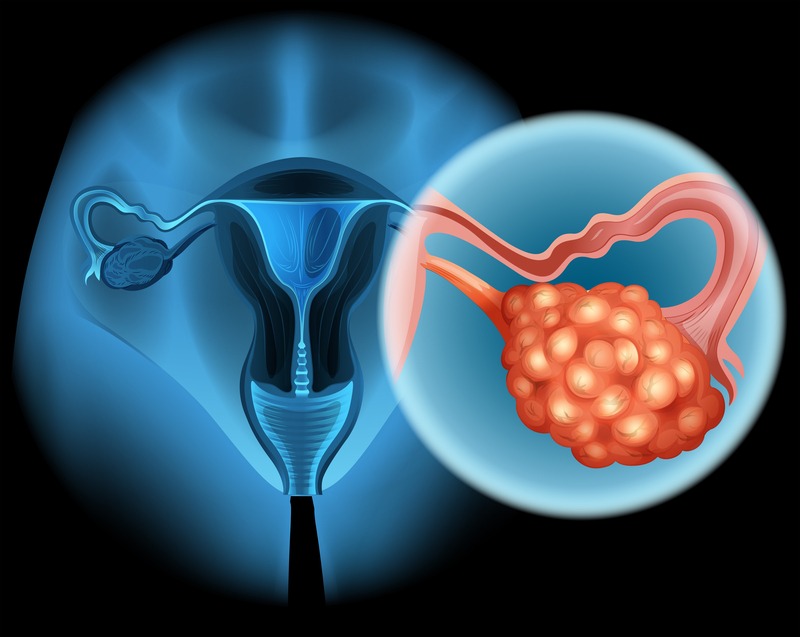
Cervical cancer starts in the cells of the cervix, the lower part of the uterus that connects to the vagina. In most cases, it is caused by a persistent infection with the Human Papillomavirus (HPV).
HPV infections are very common and often clear on their own. In some women, however, persistent infection can lead to abnormal changes in cervical cells that may gradually develop into cancer.
Cervical cancer often develops slowly, which makes regular screening important. Pap testing and HPV testing can help detect abnormal changes before invasive cancer develops.
Early detection can allow appropriate treatment to begin sooner. Depending on stage and cancer characteristics, treatment may include surgery, radiation therapy, chemotherapy or systemic treatments.
Screening does not replace specialist evaluation when a patient has persistent symptoms or an abnormal test result.
Abnormal vaginal bleeding, bleeding after intercourse, pelvic pain or unusual vaginal discharge should be medically evaluated, particularly when persistent or unexplained.
Cervical cancer treatment depends on the stage, location and characteristics of the disease. Appropriate diagnosis and staging are important before selecting a treatment plan.
Pap smear, HPV testing and colposcopy may be used according to the clinical situation and screening findings.
MRI, CT and PET-CT may be used for selected staging requirements to understand disease extent.
Radical hysterectomy may be considered for selected patients according to cancer stage, tumour characteristics and the overall treatment plan.
Carefully selected early-stage patients may be evaluated for fertility-preserving surgery when oncologically appropriate.
Lymph-node assessment or dissection may be performed when indicated to help determine disease spread and guide further treatment.
Chemotherapy, radiation therapy and systemic treatment may be coordinated with surgical care depending on cancer stage and individual needs.
Staging helps doctors understand how far the cancer has developed and assists in selecting the most appropriate treatment strategy.
Abnormal or precancerous cells are present on the surface lining of the cervix and have not invaded deeper tissue.
Cancer is confined to the cervix. Depending on tumour and patient factors, treatment may involve surgery or other appropriate treatment.
Cancer extends beyond the cervix into nearby tissues but has not reached the pelvic wall.
More advanced disease may involve the lower vagina, pelvic wall or nearby lymph nodes and generally requires coordinated oncology treatment.
Stage IV represents advanced disease involving nearby organs or distant spread depending on the exact stage. Treatment focuses on disease control, quality of life and appropriate systemic or supportive treatment.
Screening and appropriate diagnostic evaluation are important parts of cervical cancer care.
Helps identify abnormal cervical cells that may require additional evaluation.
Detects high-risk HPV infections associated with cervical cancer.
Allows detailed examination of the cervix when further evaluation is required.
Tissue examination can confirm the diagnosis and provide information about tumour characteristics.
Provides detailed imaging of the pelvis in selected staging situations.
May be used to assess disease extent according to the clinical situation.
May help evaluate cancer spread in selected patients.
Tissue diagnosis helps confirm cancer type and guides treatment planning.
Treatment is selected according to cancer stage, tumour characteristics, overall health and individual treatment goals.
Radical hysterectomy may be considered for selected patients with cervical cancer confined to the cervix or appropriate nearby tissues.
In carefully selected early-stage cases, fertility- preserving procedures may be considered for women who wish to preserve the possibility of future pregnancy.
Lymph-node assessment or dissection may be performed when indicated to help determine whether cancer has spread to the lymphatic system.
Minimally invasive or robotic approaches may be considered for selected procedures and patients when clinically appropriate and consistent with the overall surgical plan.
Chemotherapy and radiation therapy may be used together or separately depending on stage and treatment requirements.
Selected patients with advanced disease may be considered for targeted or other systemic treatments based on cancer characteristics and oncology assessment.
Patients searching for robotic cervical cancer surgery Ahmedabad may require an individual evaluation to determine the most appropriate surgical approach.
A radical hysterectomy robotic approach may be discussed only in selected clinical situations. The final surgical technique should be chosen according to current evidence, cancer stage, tumour characteristics and the patient's individual circumstances.
Robotic, minimally invasive or open surgery is not selected on technology alone. Treatment planning should prioritise appropriate cancer control, safety and the individual patient's clinical situation.

Some women with carefully selected early-stage cervical cancer may be candidates for fertility-preserving surgery. Suitability depends on tumour size, location, stage and other individual factors.
The decision should balance cancer control with reproductive goals. Detailed evaluation and staging are essential before considering a fertility-preserving approach.
Dr. Nitin Singhal is a surgical oncologist in Ahmedabad with advanced training in surgical oncology. His practice includes gynaecological oncology and complex cancer surgery.
His cervical cancer treatment approach focuses on accurate diagnosis, appropriate staging, personalised treatment planning and coordination with other oncology specialists when required.
Patients searching for robotic cervical cancer surgery Ahmedabad can undergo an individual assessment to understand whether surgery is appropriate and which surgical approach should be considered for their cancer.
Cervical cancer treatment Ahmedabad may involve surgery, radiation therapy, chemotherapy, systemic therapy or combinations of treatment depending on stage and tumour characteristics.
A radical hysterectomy robotic approach may be discussed for selected clinical situations, while other patients may require an open approach or non-surgical treatment according to current evidence and individual factors.
Cervical tumor surgery is planned after reviewing pathology, imaging, stage, lymph-node status, tumour size and the patient's overall condition.
Patients looking for a cervix cancer surgeon should consider surgical oncology experience, gynaecological cancer expertise, multidisciplinary planning and evidence-based treatment selection.
Patients searching for the best cervical cancer surgery hospital in Ahmedabad should consider appropriate oncology infrastructure, experienced surgical care, radiation and medical oncology coordination, pathology, imaging and postoperative support rather than relying on a single technology or procedure alone.
Publicly available experiences related to cancer surgery, communication and treatment support under Dr. Nitin Singhal's care.
Viraj Ghelot shared that his wife's robotic cancer surgery went smoothly, with minimal pain and a faster recovery.
Smita Raval highlighted the surgical expertise and cancer-care support provided to a relative during a major treatment journey.
Public patient stories repeatedly highlight the importance of clear communication, treatment guidance and support throughout complex cancer surgery and recovery.
Common questions about symptoms, screening, surgery, fertility preservation and cervical cancer treatment.
Early cervical cancer may not cause obvious symptoms. Possible symptoms can include abnormal vaginal bleeding, bleeding after intercourse, pelvic pain or unusual vaginal discharge. Persistent or unusual symptoms should be evaluated.
Most cervical cancers are associated with persistent infection with high-risk types of HPV. Not every HPV infection leads to cancer, but persistent infection can cause abnormal cervical-cell changes over time.
Cervical screening can help detect abnormal changes before invasive cancer develops. Screening may involve Pap testing and HPV testing. Colposcopy and biopsy may be recommended when further evaluation is required.
In selected early-stage cases, fertility-preserving surgery may be possible. Whether this approach is safe depends on cancer stage, tumour characteristics and individual patient factors.
Radical hysterectomy is a surgical treatment used for selected cervical cancer patients. It involves removal of the uterus along with surrounding tissues as required by the cancer and surgical plan.
Robotic or minimally invasive surgery may be considered in selected situations, but it is not automatically the preferred approach for every cervical cancer patient. The surgical technique should be chosen according to current evidence, tumour characteristics, cancer stage and individual clinical factors.
Depending on the individual situation, staging may involve pelvic MRI, CT imaging or PET-CT. These tests help the medical team understand disease extent and plan treatment.
No. Treatment depends on stage and other cancer characteristics. Radiation, chemotherapy, systemic treatment or combinations of treatment may be used depending on the clinical situation.
Cervical cancer risk can be reduced through HPV vaccination, appropriate cervical screening and follow-up of abnormal screening results.
Seek evaluation for persistent abnormal vaginal bleeding, bleeding after intercourse, unusual discharge, pelvic pain or an abnormal cervical screening result. If cervical cancer has been diagnosed, specialist consultation can help determine the appropriate treatment pathway.
If you have been diagnosed with cervical cancer or have an abnormal screening result, discuss your diagnosis and treatment options with an experienced surgical oncologist.
Book a Consultation
Dr. Nitin Singhal has been recognised for his contribution to cancer care and surgical oncology, reflecting his commitment to advanced surgical techniques, clinical excellence and patient-centred care.
Surgical oncology training from Tata Memorial Hospital, Mumbai.
Expertise across complex and multidisciplinary cancer surgery.
Honoured for excellence in healthcare and surgical oncology.
Focus on evidence-based and personalised cancer treatment.
Recognition that reflects a continued commitment to excellence in cancer care.