



Colorectal cancer surgery experts like Dr. Nitin Singhal is often a major milestone, the moment when treatment moves from diagnosis and therapy to healing and recovery. It’s a turning point, one that brings both relief and challenges. If you’ve just had surgery—or know someone who has—you might be wondering, “Will life feel normal again?” Or, “How do I find joy now?”
Let’s break this down. This isn’t about glossing over emotions—it’s about understanding them, giving yourself permission to feel, and finding gentle, realistic steps to embrace a vibrant life again.
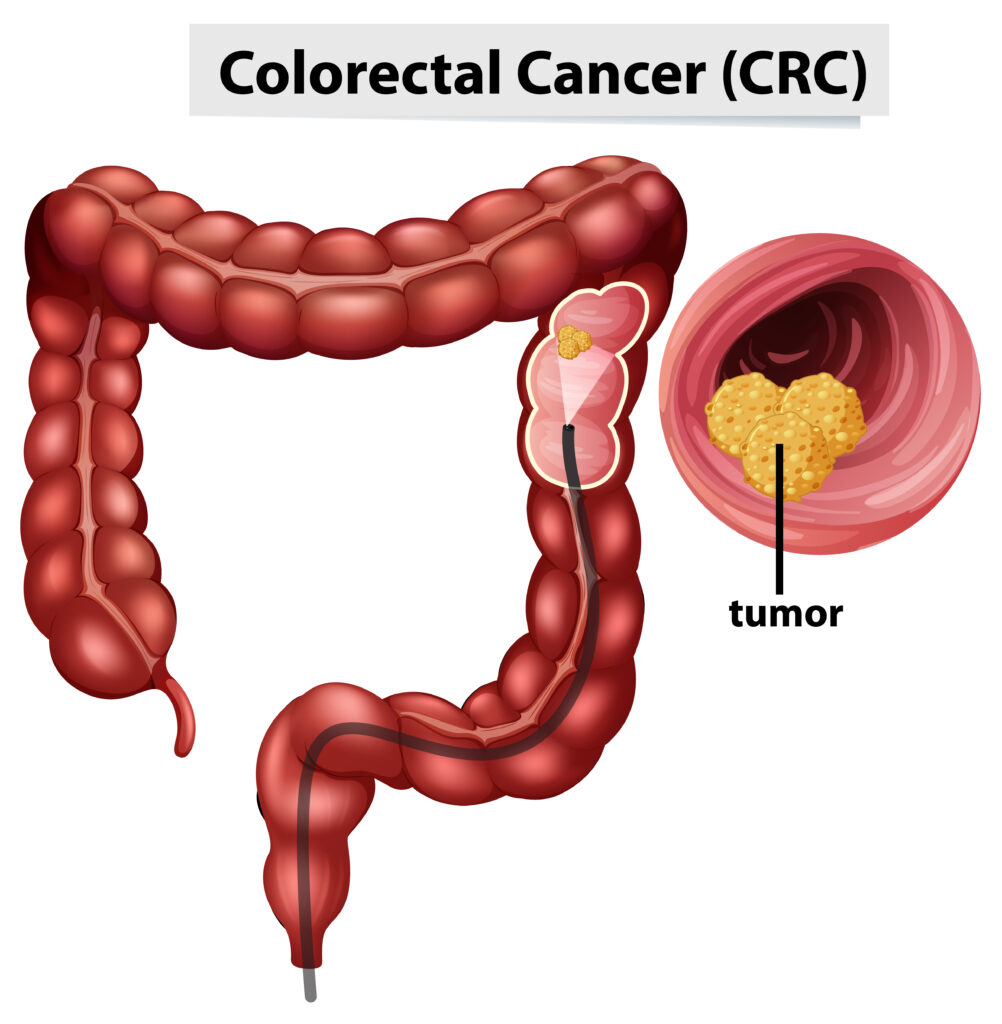
After colorectal cancer surgery, it’s completely normal to experience a wave of emotions: fear, relief, sadness, even guilt. These are not signs of failure or weakness; they’re proof of your resilience.
Here’s what you need to know: reconnecting with joy doesn’t mean ignoring how you feel—it means acknowledging those feelings, then gently shifting your focus toward hope and positivity. Accepting help from loved ones, therapy, or support groups can be incredibly healing.
Recovery isn’t just mental—it’s physical too. Gentle movement, balanced nutrition, and rest all play a role. Basically, if your body feels better, your mind has an easier time tagging along.
Sounds confusing? Don’t worry, we’ll explain.
Movement
Start small: short walks around the block, easy stretches. No need to sprint a marathon—just getting your blood flowing helps your mood, energy, and digestion.
Nutrition
Post‑surgery diet might feel bland or limited, but you can still enjoy flavor and variety. Think soft, easy-to-digest foods first—yogurt, soups, smoothies—then gradually reintroduce proteins, veggies, and your favorite spices.
Rest
Let your body rest without guilt. Sleep isn’t lazy—it’s healing downtime. Try naps, relaxation techniques, or even guided meditation apps to recharge your mind.
Consistency—even with slow routines—brings calm. You’ll feel more in control, and before you know it, you’ll have reclaimed a sense of stability.
These moments, small as they may be, are the building blocks of joy.
C. Lean on Community
Support matters. Reach out to:
Connecting with people who listen, empathize, and encourage can make a huge difference.
Recovery doesn’t mean you’ll bounce back to exactly who you were—your life now has a new chapter. The important part is recognizing what this life can look like.
Examples:
Your “new normal” is tailor-made by you. Think about your values—kindness, creativity, connection—and rebuild your life around them.
Mindfulness and Meditation
5 minutes a day can work wonders. Simple breathing exercises, guided imagery, or progressive muscle relaxation all help shift your body from stress mode to healing mode.
Gratitude Practice
Each day, note three small things you appreciate: sunshine, a smile, a gentle meal. It’s not about ignoring real pain—it’s about creating a place in your mind where joy can seep in.
Visualizing Your Future
See yourself healthy, traveling, playing with grandkids, or thriving at work. Your mind is a powerful ally.
(Note: This section isn’t a substitute for personal medical advice. Always consult your healthcare provider.)
Physical Rehab
Nutritional Guidance
Mental Health Support
Regular Surveillance
Adhering to follow-up schedules helps detect issues early—and knowing this is happening can be a source of comfort and control.
Inspirational Real-Life Stories
Hearing from others often reignites hope:
These aren’t extraordinary feats—they’re examples of ordinary people rediscovering daisies in their doorstep. Their journeys remind us: joy doesn’t have to look grand. It’s personal, humble, and within reach.
At Dr. Nitin Singhal’s, the focus is on holistic recovery—medical excellence, empathetic care, and long-term support.
Here’s how he can help:
If you or your loved one is facing colorectal cancer surgery, Dr. Singhal’s practice offers a warm, patient-centered approach—from diagnosis to rediscovering joy.
Shareable Tips: Your 30-Day Joy Plan
Here’s a gentle 30-day roadmap to reclaim wellness and happiness:
At the end of the month, reflect: “What felt good? What contributed to my joy?” Then plan your next month—this is your journey.
1. How long does recovery take after colorectal cancer surgery?
It varies—some people recover in 4–6 weeks, others take 3–6 months. Your recovery timeline depends on factors like age, overall health, and whether you had a stoma or other complications. Be gentle with your goals.
2. Will bowel habits return to normal?
Many do, but “normal” may feel different. You might have looser or more frequent bowel movements at first. Pelvic exercises, dietary adjustments, and patience often help. Talk to your care team if issues persist.
3. Is it safe to exercise after surgery?
Yes—once your surgeon gives the okay. Start with walking and gentle stretching. Over time, you can gradually increase intensity. Avoid heavy lifting until cleared. Physical therapy can guide your specific needs.
4. How do I cope with fear of cancer coming back?
This fear is common. Regular follow-ups provide reassurance. Mindfulness, counseling, support groups, and creative outlets help manage anxiety. Know that it’s okay to ask for help.
5. What lifestyle changes help improve recovery?
Balanced nutrition, hydration, gentle activity, rest, and positive social connections are your foundation. Stress management, quitting smoking, and limiting alcohol also support healing and long-term wellness.
Colorectal Cancer Surgery doesn’t just mark the end of treatment—it opens the door to a new chapter of life. Yes, there will be hard days. But day by day—bite by bite, step by step—you can rebuild a life rich with joy, purpose, and connection.
You’re not alone. With compassionate support, realistic self-care, and gentle hope, you can thrive.


