+91 75061 14222Expert surgical care for esophageal cancer with personalised treatment planning and advanced minimally invasive approaches.
Esophageal cancer requires careful evaluation of the cancer location, stage, overall health and treatment goals. A personalised treatment plan may include surgery, chemotherapy, radiation therapy or a combination of treatments depending on the individual case.
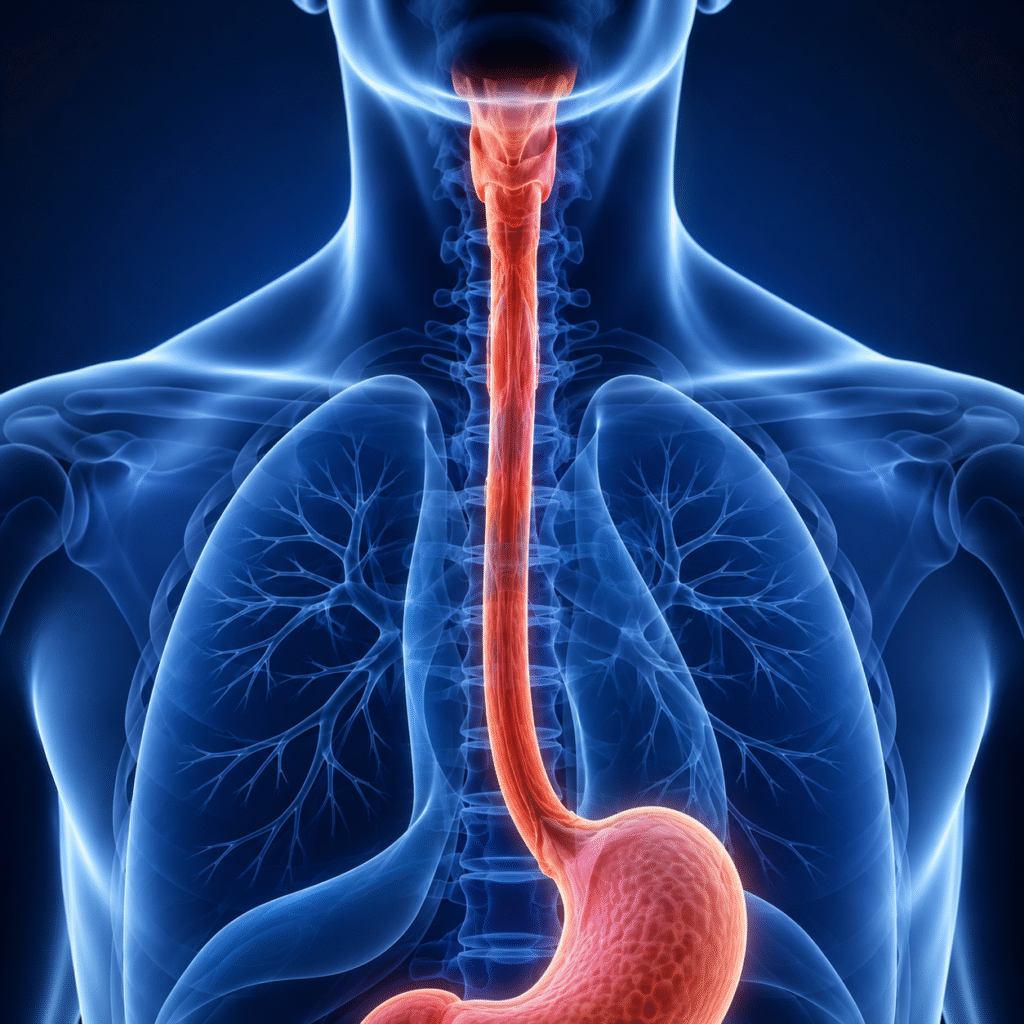
The esophagus is a muscular tube that carries food from the throat to the stomach. Cancer can develop in different parts of the esophagus and may require specialised assessment before treatment is planned.
The two major types include adenocarcinoma and squamous cell carcinoma. Symptoms may include difficulty swallowing, weight loss, chest discomfort and persistent heartburn.
Treatment decisions depend on tumour location, disease stage, anatomy and the patient's overall condition. Complex esophageal procedures require careful surgical planning and multidisciplinary cancer care.
Where appropriate, minimally invasive and robotic approaches may be considered as part of an individualised treatment strategy.
Advanced surgical expertise combined with personalised cancer treatment planning.
More than 15 years of experience in surgical oncology with expertise in complex cancer procedures.
Selected patients may benefit from advanced minimally invasive or robotic surgical approaches.
Treatment decisions are based on cancer type, stage, imaging, pathology and the patient's overall health.
Surgical treatment can be coordinated with other cancer specialists when chemotherapy, radiation or additional therapies are required.
Robotic-assisted surgery is a minimally invasive approach that may be considered for selected patients requiring esophageal cancer surgery.
Robotic systems provide enhanced magnified visualisation and controlled instrument movement while the surgeon remains in control of the procedure.
The appropriate surgical approach is determined after detailed evaluation of the cancer and the patient's individual condition.
The outcome of esophageal cancer treatment depends not only on the surgical procedure but also on accurate diagnosis, staging, treatment planning, hospital infrastructure and coordinated cancer care.
Patients should discuss their diagnosis and treatment options with an experienced surgical oncologist before deciding on the appropriate approach.
Esophageal cancer can occur in different regions of the esophagus. The type, location and stage of cancer help determine the most appropriate treatment strategy.
A cancer that develops from glandular cells and is commonly found in the lower part of the esophagus.
A cancer arising from the flat cells lining the surface of the esophagus.
Early evaluation of symptoms such as difficulty swallowing, unexplained weight loss, chest discomfort or persistent heartburn can help patients seek timely medical assessment.
In selected advanced cancer cases where disease has spread to the lining of the abdominal cavity, cytoreductive surgery and HIPEC may be considered after detailed evaluation.
HIPEC involves delivering heated chemotherapy directly into the abdominal cavity following surgical removal of visible disease. Its use depends on the cancer type, disease distribution and individual patient factors.
Esophageal cancer is a cancer that develops in the tissues of the esophagus. Treatment depends on the type, location, stage and overall health of the patient.
Robotic surgery may be considered for selected patients depending on tumour location, stage, anatomy and the overall treatment plan.
Symptoms may include difficulty swallowing, unexplained weight loss, chest discomfort and persistent heartburn. These symptoms can have other causes, so proper medical evaluation is important.
HIPEC is not routinely used for every esophageal cancer patient. In selected advanced cases with peritoneal disease, its use may be considered after detailed evaluation.
Treatment planning considers the cancer type, tumour location, stage, imaging, pathology, overall health and the patient's individual treatment goals.
Discuss your diagnosis and explore the surgical treatment options that may be appropriate for you.

WhatsApp us