



Head and neck cancers especially oral and tongue cancers can affect essential functions such as speech, swallowing, appearance, and breathing. Because these cancers involve highly visible and functional areas, patients often worry not just about survival, but about life after surgery.
Surgery plays a central role in treating many head and neck cancers. However, modern cancer surgery is no longer focused only on removing disease. Today, equal importance is placed on preserving function, appearance, and quality of life wherever possible.
For patients in Ahmedabad, understanding when surgery is needed, how organs are preserved, and what recovery involves can help reduce anxiety and improve decision-making.
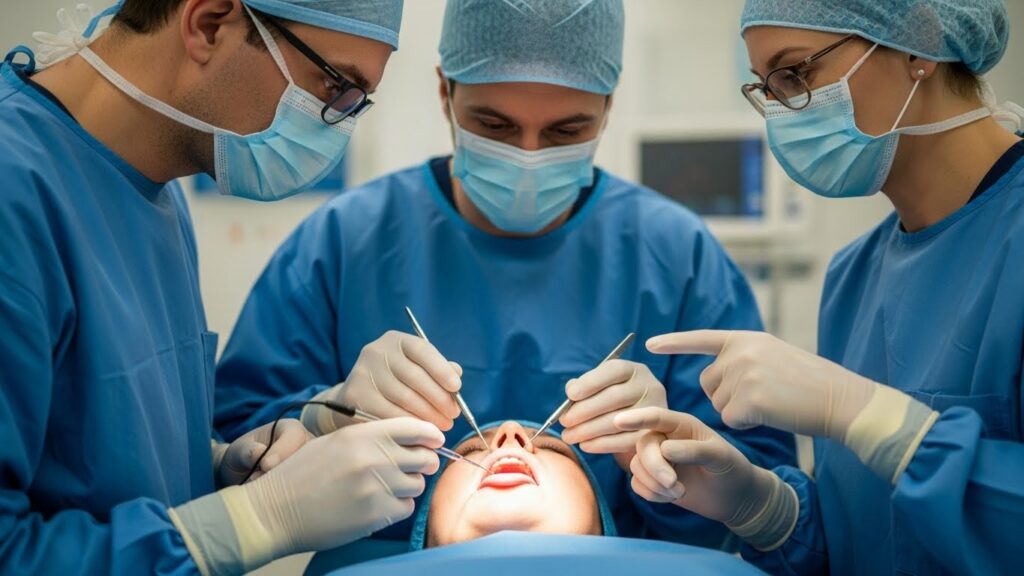
Understanding Head & Neck Cancers
Head and neck cancers arise from tissues of the:
Oral Cancer
Oral cancer often affects the lips, gums, inner cheek, floor of the mouth, or tongue. In India, it is commonly linked to tobacco use, betel nut chewing, and alcohol consumption.
Tongue Cancer
Tongue cancer may involve the front (oral tongue) or base of the tongue. Early symptoms include non-healing ulcers, pain, or difficulty speaking.
Early diagnosis significantly improves surgical outcomes.
Why Surgery Is Often the Primary Treatment
Surgery aims to:
According to Dr. Nitin Singhal, successful head and neck cancer surgery requires balancing cancer clearance with functional preservation—both are equally important.
Surgery is commonly recommended when:
Internal link opportunity (anchor text only): oral cancer surgery in Ahmedabad
In some cases, surgery may be combined with radiation or chemotherapy depending on stage and pathology.
Types of Head & Neck Cancer Surgery
Tumor Resection
The primary tumor is removed with a margin of healthy tissue to reduce recurrence risk.
Neck Dissection
If cancer has spread or is likely to spread to lymph nodes, selective removal of lymph nodes in the neck is performed.
Internal link opportunity (anchor text only): neck dissection surgery
Organ Preservation: A Key Surgical Goal
Modern head and neck surgery focuses on organ-preserving techniques whenever oncologically safe.
How Organ Preservation Is Achieved
Preservation strategies aim to maintain:
Dr. Nitin Singhal emphasizes that aggressive surgery is avoided when less extensive procedures can offer the same cancer control.
Reconstructive Surgery After Tumor Removal
Reconstruction may be required when:
Reconstruction Options
Reconstruction is planned alongside tumor removal—not as an afterthought.
Internal link opportunity (anchor text only): reconstructive cancer surgery
Role of Radiation and Chemotherapy
In head and neck cancers:
Treatment sequencing is individualized.
Recovery After Head & Neck Cancer Surgery
Immediate Recovery
Speech and Swallowing Rehabilitation
Speech therapists and dietitians play a crucial role in recovery.
Most patients gradually regain functional abilities with guided rehabilitation.
Emotional and Psychological Recovery
Head and neck cancers affect self-image and confidence. Recovery includes:
Addressing mental well-being is as important as physical healing.
Long-Term Follow-Up and Surveillance
Follow-up typically includes:
Early detection of recurrence improves outcomes.
Importance of Specialized Surgical Care
Head and neck cancer surgery requires:
Patients benefit most when treated by surgeons who routinely manage complex head and neck cancers. In Ahmedabad, Dr. Nitin Singhal focuses on evidence-based surgical strategies that prioritize both cure and quality of life.
Key Takeaways for Patients
Understanding these aspects helps patients prepare mentally and physically for treatment.
Final Thoughts
Head and neck cancer surgery has evolved significantly, shifting from disfiguring procedures to function-preserving, patient-centered care. With early diagnosis, skilled surgical planning, and proper rehabilitation, many patients regain good quality of life after treatment.
Careful evaluation and experienced surgical judgment are essential to choosing the right approach. Surgeons like Dr. Nitin Singhal emphasize that effective cancer treatment should never come at the cost of dignity, function, or long-term well-being.


