



Advancements in medical technology have transformed the way many cancers are treated today. One of the most significant developments in surgical oncology is robotic-assisted surgery. Compared to traditional open surgery, robotic procedures allow surgeons to perform complex operations with greater precision and minimal invasiveness.
For patients diagnosed with cancer, understanding the difference between surgical approaches is important when discussing treatment options with their doctor. Choosing the right surgical method can influence recovery time, complications, and long-term outcomes.
Experienced specialists such as Dr. Nitin Singhal, a surgical oncologist known for advanced cancer treatments, often evaluate multiple factors before recommending a surgical approach. For many patients today, robotic cancer surgery in Ahmedabad has become an effective and innovative option.
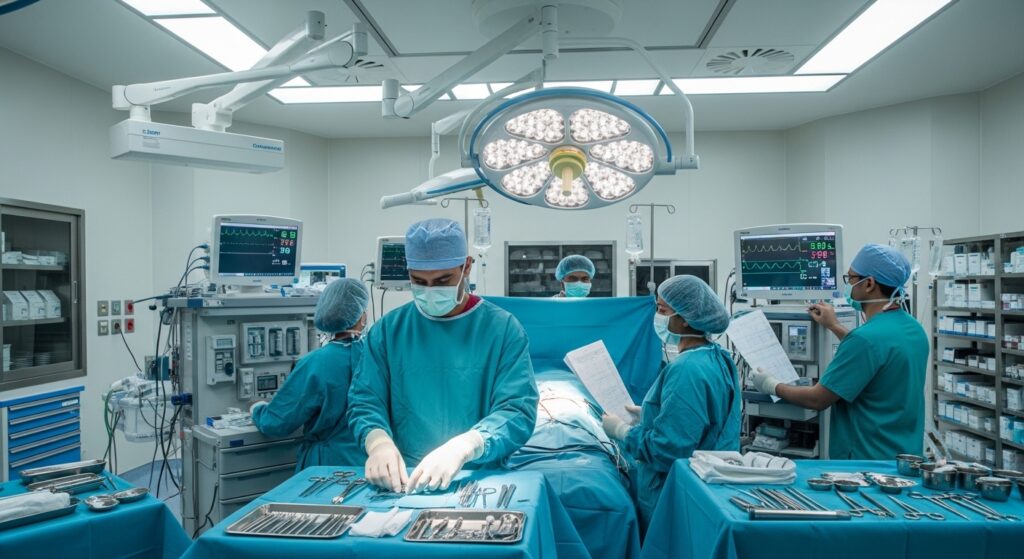
Traditional cancer surgery, often referred to as open surgery, has been used for decades to remove tumors and affected tissues. In this approach, surgeons make a larger incision to access the tumor directly.
This method allows surgeons to clearly visualize the affected organs and remove cancerous tissue.
Traditional surgery may still be necessary in certain situations, particularly when tumors are large or when cancer has spread to surrounding structures.
Traditional surgical techniques provide several benefits:
Despite these advantages, open surgery typically requires larger incisions, which may lead to longer recovery times.
Robotic cancer surgery is a minimally invasive surgical technique performed using advanced robotic systems controlled by a surgeon. The system includes robotic arms equipped with surgical instruments and a high-definition camera that provides a magnified 3D view of the surgical area.
The surgeon controls the robotic arms from a specialized console, allowing extremely precise movements.
Unlike traditional surgery, robotic surgery requires only small incisions through which surgical instruments and cameras are inserted.
This advanced technique has made robotic cancer surgery in Ahmedabad an increasingly preferred option for certain types of cancer treatment.
During robotic-assisted surgery, several small incisions are made near the surgical site. Through these incisions, surgeons insert robotic instruments and a miniature camera.
The camera provides a highly detailed, magnified view of internal organs. The surgeon controls the robotic arms from a console, translating hand movements into precise surgical actions.
The robotic system filters natural hand tremors and allows greater flexibility of movement compared to traditional instruments.
Specialists like Dr. Nitin Singhal use robotic technology to perform complex procedures with improved accuracy and control.
Robotic surgery offers several advantages compared to traditional open procedures.
Because robotic surgery uses small incisions, there is less damage to surrounding tissues. This helps reduce surgical trauma.
Minimally invasive techniques typically result in less blood loss during surgery.
Patients undergoing robotic surgery often experience shorter hospital stays and faster recovery times.
Smaller incisions reduce the risk of post-surgical infections.
Robotic systems allow surgeons to operate with enhanced precision and control, especially in delicate areas of the body.
These benefits have made robotic cancer surgery in Ahmedabad an increasingly popular treatment option.
Robotic surgery is now used to treat several types of cancers.
Some common examples include:
The suitability of robotic surgery depends on the cancer type, stage, and location of the tumor.
Although robotic surgery offers many advantages, it is not always the best option for every patient.
In some situations, traditional surgery may still be necessary. These include:
Experienced surgical oncologists evaluate each patient carefully before deciding the most appropriate treatment approach.
While robotic technology is advanced, it does not operate independently. The success of robotic surgery still depends heavily on the expertise of the surgeon controlling the system.
Experienced surgeons such as Dr. Nitin Singhal combine advanced technology with surgical skill to perform complex procedures safely and effectively.
The surgeon remains fully responsible for every movement of the robotic instruments during the operation.
One of the biggest advantages of robotic surgery is the faster recovery time.
Patients often experience:
However, recovery time may still vary depending on the type of cancer and complexity of the surgery.
Doctors usually recommend follow-up care and monitoring to ensure proper healing after surgery.
Robotic surgery has been widely adopted across many countries and is considered safe when performed by trained specialists.
Modern robotic surgical systems are designed with multiple safety features that allow surgeons to maintain full control throughout the procedure.
Patients considering robotic cancer surgery in Ahmedabad should consult experienced surgical oncologists who specialize in advanced minimally invasive techniques.
Every cancer case is unique. Treatment decisions depend on several factors, including:
A detailed evaluation helps doctors determine whether robotic surgery or traditional surgery will provide the best outcome.
Specialists like Dr. Nitin Singhal carefully assess each patient before recommending the most suitable surgical plan.
The evolution of surgical technology has significantly improved cancer treatment options. Robotic-assisted surgery provides a minimally invasive alternative that offers many benefits for eligible patients.
However, the best treatment approach depends on individual medical conditions and the expertise of the surgical team.
Patients seeking advanced cancer care may consider consulting experts experienced in robotic cancer surgery in Ahmedabad to explore modern treatment possibilities.
With experience in advanced surgical oncology techniques, Dr. Nitin Singhal focuses on providing personalized treatment strategies that aim to achieve the best possible outcomes for cancer patients.


