
Clinical Evaluation
Medical history and physical assessment help determine the appropriate next diagnostic steps.
Dr. Nitin Singhal is an experienced surgical oncologist providing diagnosis, treatment planning and surgical care for colon cancer, including minimally invasive and robotic approaches for appropriately selected patients.
Patients searching for colon cancer treatment Ahmedabad or robotic colon cancer surgery Ahmedabad can undergo an individual assessment based on tumour location, stage, pathology, overall health and treatment requirements.
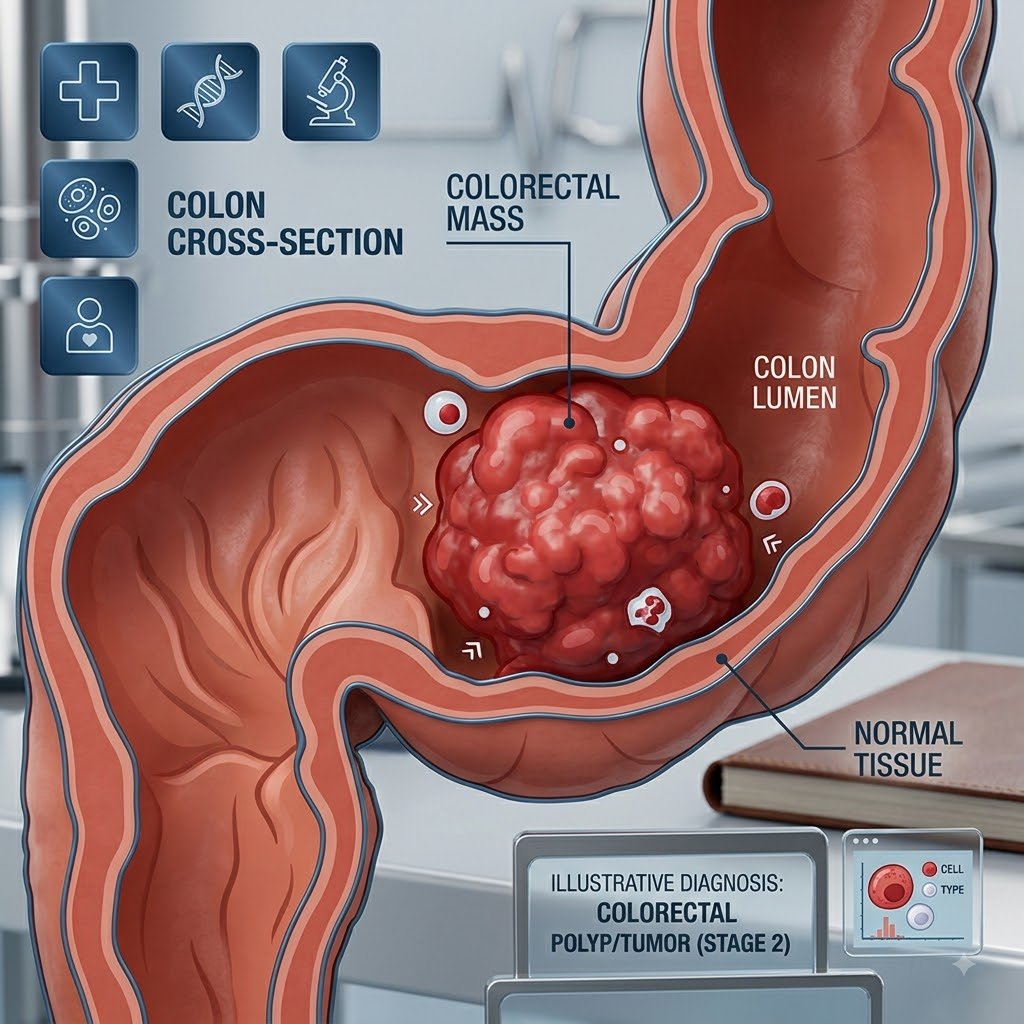
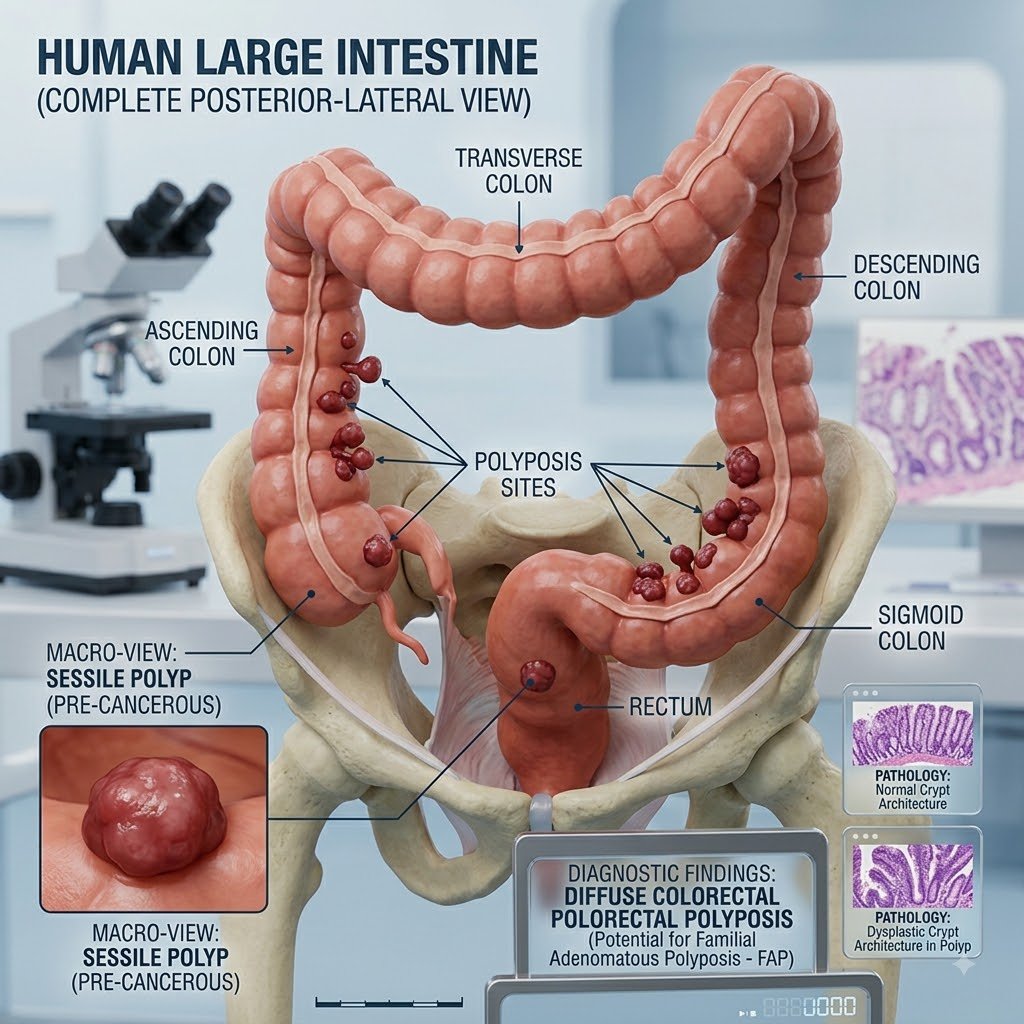
Colon cancer is a type of cancer that develops in the large intestine, also known as the colon. It can develop from abnormal growths called polyps, some of which may become cancerous over time.
Colon cancer may not always produce noticeable symptoms during its early stages. Changes in bowel habits, blood in the stool, abdominal discomfort, fatigue and unexplained weight loss can be warning signs requiring medical evaluation.
Diagnosis and treatment are planned according to the tumour's location, stage and biological characteristics, together with the patient's overall health and individual needs.
Persistent bowel symptoms, unexplained bleeding or other concerning changes should be medically evaluated.
Evaluation depends on symptoms, medical history and clinical findings. Investigations may be recommended to confirm the diagnosis and understand disease extent.
Medical history and physical assessment help determine the appropriate next diagnostic steps.
Colonoscopy allows the colon to be examined and can help identify abnormal areas, tumours or polyps.
Imaging investigations may help evaluate tumour location, nearby structures and possible disease spread.
Tissue examination can confirm the diagnosis and identify important pathological characteristics of the cancer.
Treatment is individualised according to tumour location, stage, biological characteristics and the patient's overall health.
Surgical removal of the affected portion of the colon may be recommended for appropriate patients with localised disease.
Selected patients may be considered for robotic-assisted minimally invasive surgery depending on tumour location, stage and surgical requirements.
Systemic medicines may be recommended before or after surgery, or for advanced disease, according to the treatment plan.
Selected advanced cancers may benefit from medicines directed at specific molecular characteristics.
For selected cancers with appropriate biological features, immunotherapy may form part of the treatment strategy.
Complex or advanced colon cancer may require coordinated surgical, medical oncology, radiology and pathology input.
robotic colon cancer surgery Ahmedabad may be considered for selected patients when minimally invasive removal of the affected segment of colon is appropriate.
colectomy robotic surgery uses robotic assistance to help the surgeon perform precise dissection and reconstruction through minimally invasive access.
The final surgical approach depends on tumour location, disease extent, previous surgery, anatomy and the patient's overall condition.
colorectal cancer surgery is planned to remove the involved bowel segment and appropriate regional lymphatic tissue while maintaining safe bowel continuity whenever clinically feasible.
Staging helps doctors understand how far colon cancer has progressed and assists in planning the treatment strategy.
Cancer has grown into deeper layers of the colon but remains localised without regional lymph-node spread.
Cancer has grown further through the colon wall without involvement of nearby lymph nodes.
Cancer has spread to nearby lymph nodes and typically requires an individualised multidisciplinary treatment plan.
Cancer has spread to distant organs or tissues. Treatment focuses on disease control and individualised patient care.

Cancer treatment requires an individualised approach based on disease stage, tumour location and treatment requirements. Dr. Nitin Singhal provides surgical oncology care with experience in advanced, minimally invasive and robotic approaches.
Patients looking for a colon tumor surgeon can undergo assessment for appropriate colon resection, robotic or open surgery, and multidisciplinary treatment planning.
Patients searching for robotic colon cancer surgery Ahmedabad can undergo evaluation to determine whether robotic, laparoscopic or open colon surgery is appropriate for their tumour.
colon cancer treatment Ahmedabad may involve surgery, chemotherapy, targeted treatment, immunotherapy or combinations of treatment according to stage and tumour biology.
colectomy robotic surgery may be considered when removal of the involved section of colon can be safely performed through a minimally invasive robotic approach.
colorectal cancer surgery requires careful planning of tumour removal, regional lymph-node clearance, bowel reconstruction and additional oncology treatment where indicated.
Patients looking for a colon tumor surgeon should consider surgical oncology experience, colorectal cancer expertise, imaging, pathology and multidisciplinary treatment planning.
Patients searching for the best colon cancer surgery hospital in Ahmedabad Gujarat should consider experienced surgical oncology, robotic and minimally invasive capability, pathology, imaging, anaesthesia, postoperative care and coordinated medical oncology support.
A verified colon-cancer review plus publicly available cancer-surgery experiences under Dr. Nitin Singhal's care.
Nirbheek Doyal shared that his father had colon cancer with an advanced tumour and deposits, and that Dr. Nitin Singhal guided the family and used HIPEC surgery as part of his treatment.
saurav rajput shared that his wife's robotic cancer surgery under Dr. Nitin Singhal went smoothly, with minimal pain and a faster recovery.
Abhishek Shah described the care provided to a relative through cancer surgery, including clear explanations, preparation before surgery and attentive postoperative follow-up.
Answers to common questions about colon cancer, diagnosis and treatment.
Early colon cancer may cause no noticeable symptoms. Possible warning signs include changes in bowel habits, blood in the stool, abdominal discomfort, unexplained weight loss, weakness or persistent fatigue.
Diagnosis may involve clinical evaluation, colonoscopy, imaging and biopsy. Additional investigations may be used to determine cancer stage and treatment planning.
Robotic surgery may be appropriate for selected colon cancers depending on tumour location, stage, anatomy, previous surgery and overall health. It is not necessary or suitable for every patient.
Many localised colon cancers can be treated effectively, particularly when diagnosed before distant spread. Outcomes depend on stage, tumour biology, treatment response and individual patient factors.
Seek medical evaluation for persistent changes in bowel habits, rectal bleeding, blood in the stool, unexplained abdominal symptoms, weight loss or an abnormal finding on colonoscopy or imaging.
Discuss your diagnosis and explore the surgical and oncology treatment options that may be appropriate for your individual case.
Book an Appointment
Dr. Nitin Singhal has been recognised for his contribution to cancer care and surgical oncology, reflecting his commitment to advanced surgical techniques, clinical excellence and patient-centred care.
Surgical oncology training from Tata Memorial Hospital, Mumbai.
Expertise across complex and multidisciplinary cancer surgery.
Honoured for excellence in healthcare and surgical oncology.
Focus on evidence-based and personalised cancer treatment.
Recognition that reflects a continued commitment to excellence in cancer care.
