Comprehensive evaluation and personalised treatment planning for cancers affecting the oral cavity, with treatment selected according to the tumour location, stage, pathology and individual clinical condition.
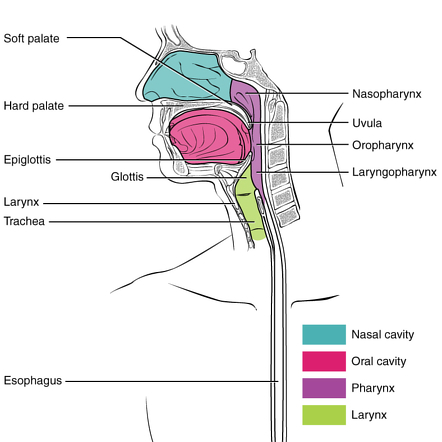
Oral cavity cancer refers to cancers that develop in areas inside the mouth. It can affect structures such as the tongue, gums, inner lining of the cheeks, floor of the mouth, hard palate and other parts of the oral cavity.
Oral cavity cancers can vary considerably depending on their location, size, depth and whether nearby lymph nodes or other structures are involved.
A detailed examination followed by appropriate imaging, biopsy and staging helps determine the nature and extent of the disease.
Depending on the individual case, treatment may involve surgery, radiation therapy, chemotherapy, immunotherapy or combinations of these approaches.
Treatment decisions depend on the exact location of the tumour, stage, pathology, lymph node involvement, surrounding structures and the patient's overall health.
Oral cavity cancer can develop in several different parts of the mouth. The location of the tumour plays an important role in treatment planning.
Cancer can develop on different parts of the tongue. The exact location and depth of the tumour are important when planning treatment.
Tumours may develop in the gum tissue and can sometimes involve nearby jawbone or other structures.
Cancer can develop in the lining of the cheek, also known as the buccal mucosa.
Tumours can develop in the tissues beneath the tongue and may require detailed assessment of nearby structures.
The hard palate forms the front part of the roof of the mouth and can also be affected by oral cavity tumours.
Cancers can develop in the tissues of the lip and may require assessment of nearby structures and lymph nodes.
This region behind the last molar can be involved in oral cavity cancers and may require careful evaluation of surrounding tissues.
Other structures within the oral cavity can also develop malignant tumours and require site-specific evaluation.
Changes inside the mouth that persist or do not heal should be evaluated by an appropriate healthcare professional.
A sore or ulcer in the mouth that does not heal should be evaluated.
Persistent white or red patches inside the mouth may require clinical assessment.
A persistent lump, thickening or unusual tissue change inside the mouth should be examined.
Persistent difficulty chewing, swallowing or moving the tongue can require further evaluation.
Ongoing pain or discomfort in the mouth without an obvious cause should be medically assessed.
Unexplained loosening of teeth may sometimes require evaluation of the surrounding oral structures.
A detailed examination and biopsy are important for confirming an oral cavity cancer diagnosis. Additional imaging may be required to understand the extent of disease.
The exact investigations depend on the location and characteristics of the suspected tumour and the information required for staging.
Staging helps determine the extent of oral cavity cancer and assists the cancer team in deciding which treatment approaches may be appropriate.
The size and depth of the primary tumour are important factors in assessing the extent of oral cavity cancer.
Evaluation of lymph nodes in the neck helps determine whether the cancer has spread beyond the primary tumour.
Involvement of structures such as the jawbone, muscles or other nearby tissues can influence treatment planning.
Additional investigations may be performed when clinically indicated to assess whether disease has spread to distant sites.
Surgery may be an important part of treatment for selected oral cavity cancers. The procedure depends on the tumour's location, size, depth, stage and involvement of surrounding structures.
Selected smaller tumours may be removed with the surrounding margin of healthy tissue as determined by the surgical plan.
When a tumour involves part of the tongue, removal of the affected portion may be considered depending on the tumour's extent.
If the tumour involves the jawbone, removal of the affected bone may be required as part of cancer surgery.
Lymph nodes in the neck may be removed in selected patients based on tumour characteristics and the risk or presence of nodal disease.
When cancer surgery results in a significant tissue defect, reconstructive procedures may be considered to help restore structure and function.
The extent of reconstruction depends on the location and amount of tissue removed during cancer surgery.
Reconstruction may involve local tissue or tissue transferred from another part of the body, depending on the individual surgical requirement.
The goals of reconstruction can include restoring oral function, supporting speech and swallowing, and achieving appropriate structural repair.
Treatment planning considers both appropriate cancer removal and, where possible, preservation or reconstruction of important oral functions.
Oral cavity cancer treatment may involve several specialists working together to determine an appropriate treatment sequence.
Surgery may be considered for appropriate oral cavity cancers, depending on tumour location, size, stage and involvement of nearby structures.
Depending on stage and pathology, radiation therapy and systemic treatments may be incorporated before or after surgery or used as part of treatment for advanced disease.
Several factors can increase the risk of developing oral cavity cancer. Having a risk factor does not mean that a person will necessarily develop cancer.
Smoking and use of smokeless tobacco are important risk factors associated with oral cavity cancer.
Alcohol consumption can contribute to oral cancer risk, particularly when combined with tobacco exposure.
Areca nut and related chewing products are associated with an increased risk of oral diseases and oral cancer.
Individual risk can be influenced by multiple factors and should be assessed in the context of a person's history and clinical findings.
Oral cavity cancers can differ significantly depending on their location and extent. Treatment that is appropriate for one patient may not be appropriate for another.
A detailed review of examination findings, biopsy reports, scans and staging information helps determine the appropriate treatment approach.
Treatment planning may take into account:
The treatment journey begins with diagnosis and staging, followed by development of a treatment plan suited to the individual case.
The mouth, neck and available medical reports are reviewed in detail.
Pathology and appropriate imaging are used to establish the nature and extent of the disease.
Surgical and non-surgical treatment options are reviewed according to the diagnosis.
Treatment is followed by recovery planning and ongoing clinical follow-up as recommended.

Dr. Nitin Singhal is a surgical oncologist in Ahmedabad with experience in cancer surgery and the management of solid tumours, including head and neck cancers.
Oral cavity cancer surgery is planned after detailed evaluation of the tumour, pathology, staging information and involvement of surrounding structures.
Oral cavity cancer treatment requires accurate diagnosis, pathology assessment and appropriate staging. Oral cancer can develop in areas such as the tongue, gums, inner cheek, floor of the mouth, hard palate and other parts of the oral cavity.
For selected patients, surgery may be an important part of treatment. Depending on the tumour's location and extent, surgery may involve removal of the primary tumour, partial removal of the tongue, jawbone surgery or removal of lymph nodes in the neck.
Reconstruction may also be considered when removal of the tumour creates a significant tissue defect. Radiation therapy, chemotherapy or other systemic treatments may be incorporated into treatment depending on the stage and pathology.
Patients seeking oral cavity cancer treatment in Ahmedabad can undergo a detailed consultation to review their diagnosis, biopsy reports, scans and available treatment options.
Read experiences shared by patients following their cancer treatment.
“The treatment process was explained clearly and the team guided us throughout the treatment journey.”
“The consultation was detailed and the treatment options were explained in a clear and understandable manner.”
“We received clear guidance about the diagnosis, surgery and follow-up care.”
Common questions about oral cancer diagnosis, surgery and treatment.
Oral cavity cancer refers to cancer that develops in parts of the mouth such as the tongue, gums, inner cheek, floor of the mouth, hard palate and other oral structures.
Symptoms can include a persistent mouth ulcer, white or red patches, a lump or thickening, persistent mouth pain, difficulty chewing or swallowing, or unexplained loosening of teeth. Persistent changes should be evaluated by a healthcare professional.
Diagnosis generally involves clinical examination and biopsy. Imaging such as CT or MRI may be used to assess the extent of disease, with additional investigations performed when clinically appropriate.
Surgery may be an important treatment for selected oral cavity cancers. Whether surgery is appropriate depends on the tumour's location, size, stage, pathology and the patient's overall condition.
Some oral cavity tumours can involve the jawbone. When clinically necessary, surgery may include removal of affected bone as part of the cancer operation.
Neck dissection is a surgical procedure in which lymph nodes and surrounding tissues in selected areas of the neck are removed. It may be recommended when lymph node involvement is present or when the risk of nodal disease warrants surgical evaluation.
Depending on the type and stage of the cancer, radiation therapy, chemotherapy, immunotherapy or combinations of treatments may be used. The appropriate treatment depends on the individual diagnosis.
A consultation may be appropriate when a suspicious or persistent lesion has been identified, a biopsy has confirmed oral cancer, or surgery is being considered as part of treatment. Previous biopsy reports, scans and treatment records can be useful during consultation.
Discuss your diagnosis, biopsy reports, scans and available treatment options with a surgical oncology team.

Dr. Nitin Singhal has been recognised for his contribution to cancer care and surgical oncology, reflecting his commitment to advanced surgical techniques, clinical excellence and patient-centred care.
Surgical oncology training from Tata Memorial Hospital, Mumbai.
Expertise across complex and multidisciplinary cancer surgery.
Honoured for excellence in healthcare and surgical oncology.
Focus on evidence-based and personalised cancer treatment.
Recognition that reflects a continued commitment to excellence in cancer care.