Obesity
Excess body weight is associated with increased estrogen exposure and can increase endometrial cancer risk.
Dr. Nitin Singhal is a surgical oncologist in Ahmedabad providing treatment for uterus cancer (endometrial cancer) and other gynaecological malignancies.
Patients searching for uterine cancer treatment Ahmedabad or a uterine tumor surgeon can undergo an individual assessment based on cancer stage, grade, disease extent, overall health and treatment goals.

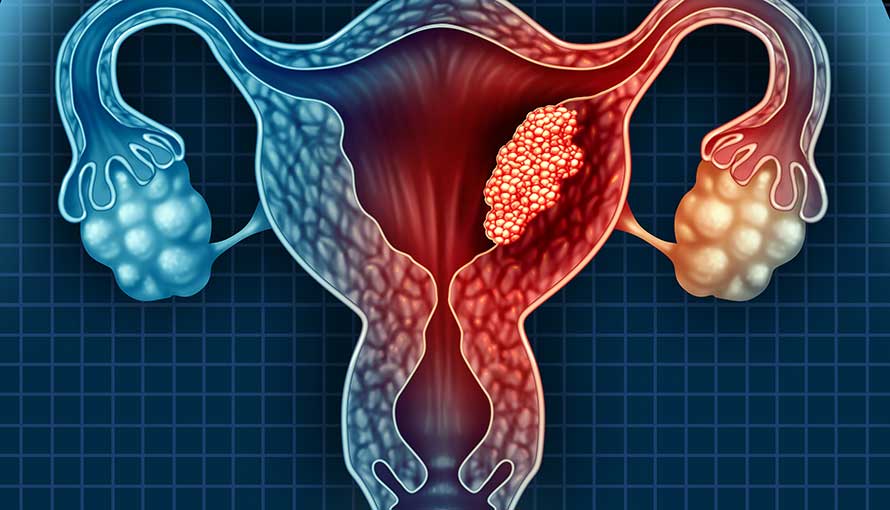
Uterus cancer, often called endometrial cancer, begins in the lining of the uterus, known as the endometrium. The uterus is the reproductive organ where fetal development occurs during pregnancy.
Uterine cancer is one of the common gynaecological cancers affecting women and is particularly important to evaluate after menopause.
Treatment is planned according to cancer stage and characteristics, overall health and, in selected younger women, fertility goals.
Uterine cancer may produce symptoms that should be evaluated, particularly abnormal vaginal bleeding or bleeding after menopause.
Unexplained bleeding, especially bleeding after menopause, should be medically evaluated.
Unusually heavy or irregular menstrual bleeding may require gynaecological evaluation.
Persistent unusual vaginal discharge should not be ignored.
Persistent pelvic discomfort or pressure may require further assessment.
Persistent pain or discomfort during intercourse may have several causes and should be assessed if ongoing.
Unexplained or persistent symptoms should be reviewed by an appropriate medical professional.
Many causes of abnormal bleeding are not cancer. However, timely evaluation can help identify the cause and may detect uterine cancer at a stage when treatment options are broader.
Several hormonal, metabolic, family and age-related factors may increase the risk of uterine or endometrial cancer.
Excess body weight is associated with increased estrogen exposure and can increase endometrial cancer risk.
Conditions involving prolonged or unbalanced estrogen exposure may contribute to endometrial cancer risk.
Diabetes is among the health factors associated with increased uterine cancer risk.
A family history of certain cancers may increase individual risk and may warrant specialist discussion.
Long-term estrogen exposure without adequate progesterone balance can be associated with increased risk.
Uterine cancer is particularly important to evaluate after menopause, especially when abnormal bleeding occurs.
Treatment is planned according to stage, extent, tumour characteristics and individual patient requirements.
Surgical removal of the uterus is a standard treatment for many uterine cancers when surgery is appropriate.
Robotic or minimally invasive techniques may be used for appropriate gynaecological cancer procedures.
Lymph nodes may be assessed or removed when indicated as part of surgical staging and treatment planning.
External beam radiation or brachytherapy may be considered according to stage and risk characteristics.
Chemotherapy may be used for advanced, high-risk or recurrent uterine cancer.
Selected patients may be considered for targeted or immune therapies based on tumour characteristics and oncology assessment.
Treatment depends on cancer stage, grade, spread, overall health and individual treatment goals.
Hysterectomy involves surgical removal of the uterus. Depending on disease extent, additional structures or lymph nodes may also require assessment or removal.
Selected procedures may be performed with robotic or minimally invasive techniques to provide precise surgical access.
Lymph-node assessment may help stage disease and guide further treatment when spread is suspected.
Radiation, chemotherapy, targeted therapy or immunotherapy may be incorporated according to cancer risk and stage.
HIPEC may be considered only in selected situations involving appropriate abdominal disease spread.
Carefully selected young women with early disease may be evaluated for fertility-preserving hormonal treatment under specialist monitoring.
Stage helps determine how far the cancer has spread and guides the treatment strategy.
Cancer is confined to the uterus. Treatment commonly involves hysterectomy, while selected young women with early disease may be evaluated for fertility-preserving care.
Cancer has extended into the cervix but remains within the uterus. Surgery and lymph-node assessment may be considered with additional treatment depending on risk.
Disease has extended to nearby reproductive or pelvic structures and/or regional lymph nodes. Multimodal treatment is commonly required.
Advanced disease may involve nearby organs or distant spread. Treatment may include systemic therapy, radiation and selected advanced surgical approaches.
Because the uterus is essential for carrying a pregnancy, standard treatment involving hysterectomy affects future fertility.
However, selected young women with carefully evaluated early-stage uterine cancer may be considered for fertility-preserving hormonal treatment.
Fertility-preserving care is not suitable for every patient. Cancer type, stage, grade, tumour characteristics and treatment response require careful evaluation and monitoring.
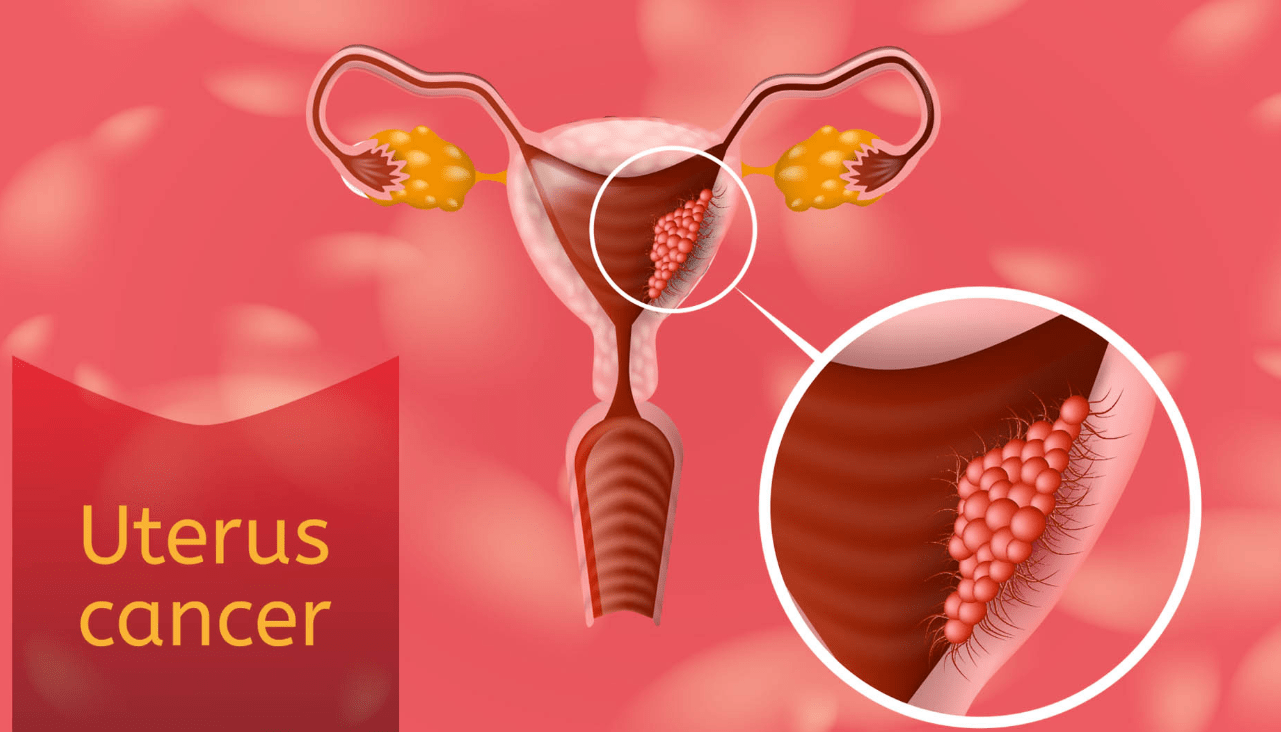
robotic uterus cancer surgery Ahmedabad may be considered for selected gynaecological cancer procedures when a minimally invasive approach is clinically appropriate.
A hysterectomy robotic uterus cancer approach can provide precise surgical access through minimally invasive techniques in appropriately selected patients.
Dr. Nitin Singhal is a surgical oncologist with more than 18 years of experience in cancer surgery, including gynaecological oncology and minimally invasive surgical approaches.
endometrial cancer surgery is planned according to stage, grade, disease extent, lymph-node risk, overall health and individual patient requirements.
Patients searching for robotic uterus cancer surgery Ahmedabad can undergo an individual assessment to determine whether robotic, laparoscopic, open or non-surgical treatment is appropriate.
uterine cancer treatment Ahmedabad may include hysterectomy, lymph-node assessment, radiation therapy, chemotherapy, targeted therapy, immunotherapy or selected fertility-preserving treatment depending on disease stage and risk.
endometrial cancer surgery is commonly based on hysterectomy with additional staging procedures considered according to tumour grade, stage and lymph-node risk.
A hysterectomy robotic uterus cancer approach may be considered for appropriately selected patients when minimally invasive surgery is suitable.
Patients looking for a uterine tumor surgeon should consider surgical oncology experience, gynaecological cancer expertise, pathology, imaging, staging and multidisciplinary care.
Patients searching for the best uterus cancer surgery hospital in Ahmedabad should consider surgical oncology expertise, robotic capability, pathology, imaging, anaesthesia, radiation and medical oncology coordination, postoperative care and evidence-based treatment planning.
A uterus-specific documented case plus publicly available robotic cancer-surgery experiences under Dr. Nitin Singhal's care.
An official case story describes an early-stage uterine cancer patient who chose robotic cancer surgery with Dr. Nitin Singhal and returned to her daily routine within about a week after treatment.
Karan Patel shared that his wife's robotic cancer surgery under Dr. Nitin Singhal went smoothly, with minimal pain and a faster recovery.
Nike Parnus publicly described Dr. Nitin Singhal's surgical oncology care as highly skilled and expressed gratitude for the cancer surgery provided to a relative.
Common questions about symptoms, risk factors, fertility, robotic surgery and treatment.
The most common warning sign is abnormal vaginal bleeding, particularly bleeding after menopause. Other symptoms can include pelvic pain, pain during intercourse and watery or blood-stained vaginal discharge.
Risk may be higher with obesity, diabetes, hormonal imbalance, prolonged estrogen exposure, certain family histories and increasing age, particularly after menopause.
Standard treatment often involves hysterectomy, which removes the uterus and affects the ability to carry a pregnancy. Carefully selected young women with early disease may be evaluated for fertility-preserving treatment.
Robotic-assisted surgery can provide a minimally invasive approach for selected gynaecological cancer procedures. Suitability depends on cancer characteristics, stage, overall health and the required procedure.
Many early-stage uterine cancers are highly treatable. Prognosis and treatment depend on stage, grade, tumour biology and response to therapy. Advanced disease may require combined or systemic treatment.
Hysterectomy is a standard surgical treatment for many uterine cancers. Depending on cancer stage and spread, lymph-node assessment or other procedures may also be required.
HIPEC is not required for every uterine cancer. It may be considered in selected advanced cases involving appropriate spread within the abdominal cavity after specialist assessment.
Uterine cancer can recur in some patients depending on original stage, grade, tumour characteristics and treatment response. Regular follow-up helps evaluate concerning symptoms or possible recurrence promptly.
If you have abnormal vaginal bleeding, bleeding after menopause, persistent pelvic symptoms or an established uterine cancer diagnosis, discuss your treatment options with an experienced surgical oncologist.
Book a Consultation
Dr. Nitin Singhal has been recognised for his contribution to cancer care and surgical oncology, reflecting his commitment to advanced surgical techniques, clinical excellence and patient-centred care.
Surgical oncology training from Tata Memorial Hospital, Mumbai.
Expertise across complex and multidisciplinary cancer surgery.
Honoured for excellence in healthcare and surgical oncology.
Focus on evidence-based and personalised cancer treatment.
Recognition that reflects a continued commitment to excellence in cancer care.