Colorectal cancer affects the colon or rectum and may require surgery as part of a carefully planned, stage-specific treatment approach. Surgical treatment is selected based on the location and extent of the tumour, overall health and the goals of treatment.
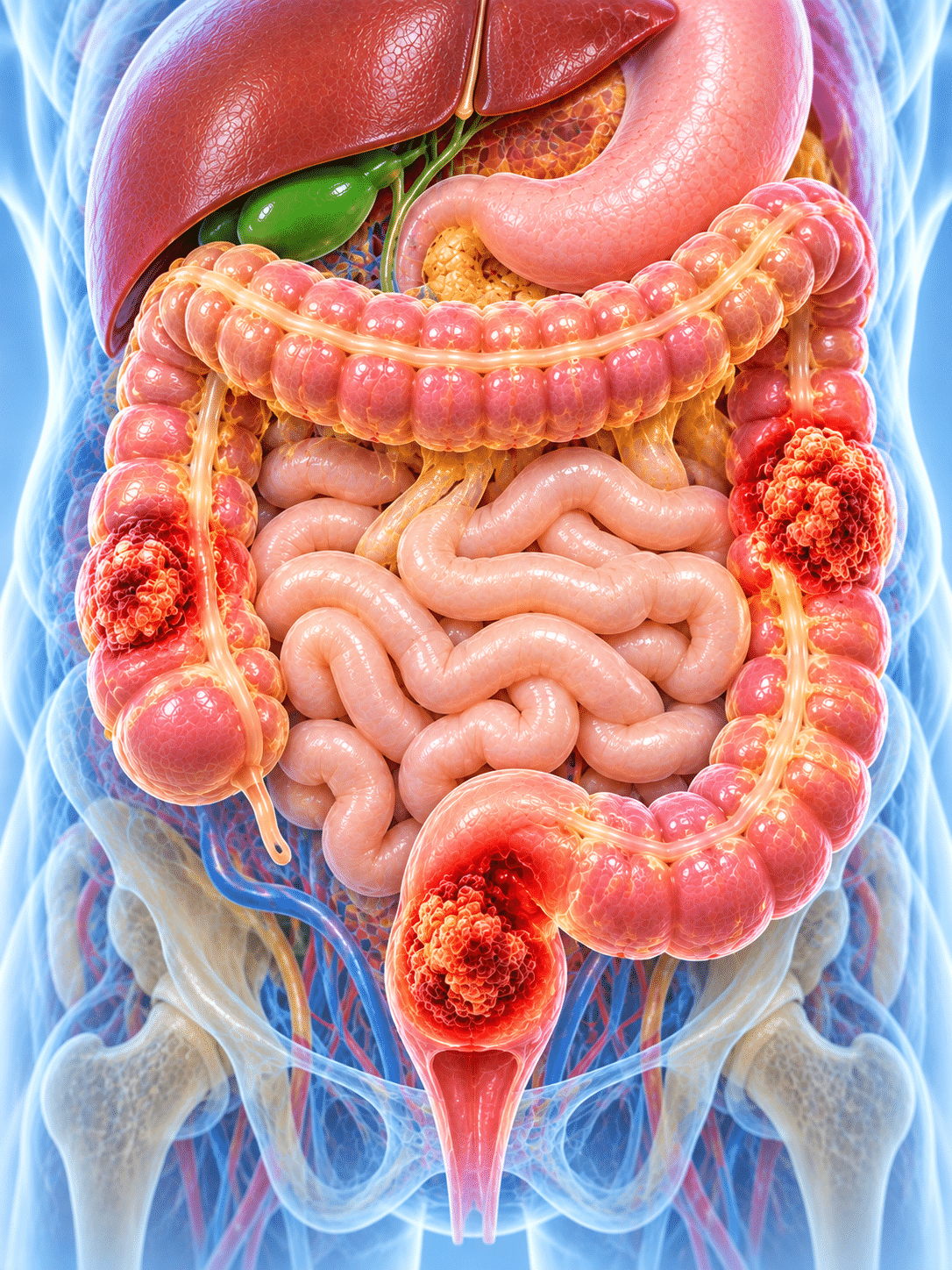
Colorectal cancer refers to cancer that develops in the colon or rectum, which form the lower part of the digestive system. Many colorectal cancers begin as polyps that develop on the inner lining of the bowel.
Some polyps can become cancerous over time. Finding and removing certain polyps can help prevent colorectal cancer. Once cancer is diagnosed, treatment depends on where the tumour is located, how deeply it has grown, whether lymph nodes or other organs are involved, and other individual factors.
Colon and rectal cancers are often considered together as colorectal cancer, but their treatment can differ, particularly because of the location of rectal tumours.
Colon cancer develops in the colon, while rectal cancer develops in the final section of the large intestine. Surgical and non-surgical treatment approaches may differ depending on the tumour's location and stage.
The large intestine consists of several sections through which digestive contents pass before waste is eliminated from the body.
The first major section of the colon, located on the right side of the abdomen.
The section that travels across the upper part of the abdomen.
These sections carry intestinal contents toward the rectum.
The final portion of the large intestine, connecting the colon to the anus.
Tumours arising in the caecum or ascending colon may present differently from cancers on the left side and are evaluated according to their location and stage.
Tumours may develop in the descending or sigmoid colon and require assessment of their extent before treatment is planned.
Cancer occurring in the sigmoid colon may require segmental resection depending on tumour location and other clinical findings.
Rectal cancer can require a different treatment sequence from colon cancer, particularly for locally advanced disease.
Symptoms can vary and may also be caused by conditions other than colorectal cancer. Persistent or unexplained symptoms should be medically evaluated.
Persistent changes in bowel frequency, consistency or usual bowel pattern.
Rectal bleeding or blood mixed with stool may require further evaluation.
Persistent abdominal pain, cramping or discomfort can have different causes and should be assessed when ongoing.
Unintentional weight loss, especially when accompanied by other persistent symptoms, may need investigation.
Narrower stools or other persistent changes in stool appearance may require evaluation.
Unexplained anaemia can sometimes be associated with bleeding within the digestive tract.
Diagnosis begins with a clinical assessment and appropriate investigations. A colonoscopy is commonly used to examine the colon and rectum and can allow suspicious polyps or tissue to be biopsied.
Once cancer is confirmed, additional investigations may be used to understand the extent of disease and determine the stage. The exact tests required depend on the individual case.
Surgery is an important treatment for many colorectal cancers. The operation depends on the tumour's location, stage, relationship to surrounding structures and the overall treatment plan.
Selected early cancers or precancerous polyps may be removed during colonoscopy.
Certain early tumours may be removed locally without requiring a larger abdominal operation.
Part of the colon containing the tumour may be removed along with nearby lymph nodes.
Depending on tumour location, rectal surgery may involve removal of the affected rectum and surrounding tissues.
Colorectal cancer surgery can be performed using different surgical approaches. The appropriate approach depends on the tumour, anatomy, stage, previous treatment and the surgeon's assessment.
Minimally invasive approaches such as laparoscopic or robotic surgery may be considered for selected patients. Open surgery may also be appropriate depending on the complexity and extent of the disease.
The aim is to choose a surgical approach that allows appropriate cancer removal while taking the patient's anatomy, disease extent and overall treatment goals into consideration.
Although both are grouped under colorectal cancer, treatment planning can differ depending on whether the tumour is in the colon or rectum.
For many localised colon cancers, surgery involves removing the affected section of the colon and nearby lymph nodes. Depending on the stage, chemotherapy may be considered before or after surgery.
Rectal cancer may require a different sequence of treatment. Depending on the stage and location, chemotherapy and/or radiation may be given before surgery.
Some very early colorectal cancers can be treated through endoscopic or local procedures. For example, certain polyps and early cancers may be removed during colonoscopy.
Whether local treatment is appropriate depends on the depth of invasion, tumour characteristics, margins and other pathology findings.
Early diagnosis can provide more treatment options. However, local removal is suitable only for appropriately selected tumours after proper assessment.
Locally advanced rectal cancer may be treated with a combination of therapies before surgery. The sequence depends on the stage, tumour characteristics and multidisciplinary treatment plan.
Imaging, endoscopy and pathology help define the tumour's location and extent.
Selected patients may receive chemotherapy, radiation or chemoradiation before surgery.
The operation is planned according to tumour location, response to treatment and surgical anatomy.
Additional treatment and surveillance may be recommended according to pathology and the overall treatment plan.
Advanced colorectal cancer may require systemic treatment, surgery, radiation therapy or a combination of treatments. The appropriate strategy depends on where the cancer has spread, the number and location of metastatic sites, tumour biology and the patient's overall condition.
In selected patients with disease involving organs such as the liver or lungs, surgery or local treatment may be considered as part of an individualised treatment plan.
Advanced colorectal cancer may involve surgical oncology, medical oncology, radiation oncology, radiology, pathology and other specialists working together on treatment planning.
Surgery may be combined with other cancer treatments depending on the stage and biological characteristics of the tumour.
Drug treatment that may be used before or after surgery or for advanced colorectal cancer.
Particularly relevant to the treatment of selected rectal cancers and certain advanced situations.
Selected patients with advanced colorectal cancer may receive targeted medicines based on tumour characteristics.
May be considered for selected colorectal cancers with specific molecular or mismatch-repair characteristics.
In some patients, colorectal cancer may spread to the lining of the abdominal cavity, known as the peritoneum.
Selected patients with peritoneal surface disease may be assessed for specialised surgical treatment. In appropriate cases, cytoreductive surgery with or without HIPEC may be discussed as part of a multidisciplinary evaluation.
Suitability for complex procedures such as cytoreductive surgery and HIPEC depends on disease distribution, overall health, previous treatment and multidisciplinary assessment.
There is no single operation suitable for every colorectal cancer. Treatment planning considers several clinical and tumour-specific factors.

Dr. Nitin Singhal is a surgical oncologist in Ahmedabad with experience in the surgical management of gastrointestinal and other cancers.
His areas of surgical oncology include gastrointestinal and colorectal cancers, robotic cancer surgery, HIPEC and other complex cancer procedures.
Colorectal cancer treatment requires careful assessment of the tumour's location and stage. Depending on the diagnosis, treatment may involve surgery, chemotherapy, radiation therapy, targeted therapy or immunotherapy.
For colon cancer, surgery commonly involves removal of the affected portion of the colon and nearby lymph nodes. For rectal cancer, treatment may involve a combination of preoperative therapy and surgery, particularly when the tumour is locally advanced.
Minimally invasive laparoscopic or robotic approaches may be considered for selected patients. The most appropriate surgical approach depends on individual anatomy, tumour characteristics, previous treatment and the surgeon's assessment.
If you have been diagnosed with colorectal cancer or have been advised to undergo colorectal surgery, a specialist evaluation can help clarify the diagnosis, stage and available treatment options.
Surgery is an important treatment for many colorectal cancers, but the treatment plan depends on the type, location and stage of the cancer. Some very early cancers may be treated through endoscopic or local procedures, while other patients may need surgery combined with chemotherapy, radiation or other treatments.
Colon cancer develops in the colon, while rectal cancer develops in the rectum. Although both are colorectal cancers, treatment planning can differ because of the location of rectal tumours and their relationship with surrounding pelvic structures.
Robotic surgery may be considered for selected patients with colorectal cancer. Whether it is appropriate depends on the tumour location, stage, anatomy, previous treatment and other clinical factors.
Liver metastases require individualised assessment. Depending on their number, size, location and response to treatment, selected patients may be considered for surgery, systemic treatment or other local treatment approaches.
Not every patient needs chemotherapy after surgery. The decision depends on factors such as the stage, lymph node involvement, pathology findings and other tumour characteristics.
Some polyps and selected very early colorectal cancers can be removed during colonoscopy. If the tumour has features that require more extensive treatment, additional surgery may be recommended.
A colectomy is an operation in which part or, in selected circumstances, all of the colon is removed. For colon cancer, the affected section and nearby lymph nodes are generally removed, with reconstruction performed when appropriate.
A colostomy is not required for every colorectal cancer operation. Whether a temporary or permanent stoma is needed depends on the tumour location, type of surgery, ability to safely reconnect the bowel and other individual factors.
Staging may involve colonoscopy and biopsy together with imaging studies and examination of surgical or pathological specimens. The exact investigations depend on whether the cancer is in the colon or rectum and the suspected extent of disease.
Get a personalised evaluation to understand your diagnosis, treatment options and whether surgery, including minimally invasive or robotic approaches, may be appropriate for your condition.

Dr. Nitin Singhal has been recognised for his contribution to cancer care and surgical oncology, reflecting his commitment to advanced surgical techniques, clinical excellence and patient-centred care.
Surgical oncology training from Tata Memorial Hospital, Mumbai.
Expertise across complex and multidisciplinary cancer surgery.
Honoured for excellence in healthcare and surgical oncology.
Focus on evidence-based and personalised cancer treatment.
Recognition that reflects a continued commitment to excellence in cancer care.

