Active Surveillance
Monitoring may be considered for selected low-risk, slow-growing prostate cancers where immediate treatment is not required.
Dr. Nitin Singhal is an experienced surgical oncologist in Ahmedabad providing treatment and surgical management for prostate cancer and other urological cancers.
Patients searching for prostate cancer treatment Ahmedabad or robotic prostate cancer surgery Ahmedabad can undergo an individual evaluation based on cancer stage, biopsy findings, PSA, overall health and treatment goals.

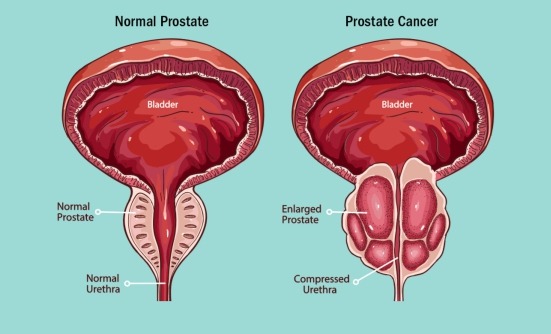
Prostate cancer develops in the prostate gland, a small walnut-shaped organ located below the bladder in men that contributes to the production of seminal fluid.
It is one of the most common cancers in men, particularly after the age of 50. Some prostate cancers grow slowly, while others may be more aggressive and require earlier treatment.
Early prostate cancer may not cause noticeable symptoms. PSA testing, clinical examination, imaging and biopsy can help establish the diagnosis and guide treatment planning.
Prostate cancer may not cause symptoms in its early stages. When symptoms occur, they can overlap with non-cancerous prostate conditions and should be medically evaluated.
Since early prostate cancer may not show noticeable symptoms, PSA blood testing and appropriate clinical evaluation may help identify men who require further investigation.
Prostate cancer treatment is personalised according to the cancer stage, grade, PSA level, biopsy findings, overall health and individual treatment goals.
Monitoring may be considered for selected low-risk, slow-growing prostate cancers where immediate treatment is not required.
Radical prostatectomy removes the prostate gland and may be recommended for selected patients with localised or appropriately staged prostate cancer.
Minimally invasive surgical approaches may be considered for selected patients when surgery is appropriate.
Radiation may be used as a primary treatment or in combination with other therapies depending on cancer risk and stage.
Androgen deprivation therapy can reduce testosterone stimulation of prostate cancer and may be used in selected stages of disease.
Chemotherapy and targeted treatments may be considered for advanced or treatment-resistant prostate cancer based on the individual clinical situation.
Understanding the stage of prostate cancer helps determine the most appropriate treatment approach.
Cancer is confined to the prostate and is usually small. Depending on cancer risk and patient factors, active surveillance or local treatment may be considered.
The tumour remains within the prostate but may be larger or have higher-risk features. Surgery, radiation or other local treatment may be considered.
Cancer extends beyond the prostate into nearby tissues. Treatment may involve surgery, radiation, hormone therapy or combinations according to the individual case.
Advanced prostate cancer has spread to lymph nodes, bones or other organs. Treatment may include androgen deprivation, chemotherapy, targeted therapy and other systemic approaches.
Treatment is selected according to the stage, aggressiveness and individual characteristics of the prostate cancer.
Regular monitoring may be considered for selected very-low-risk or low-risk cancers where immediate intervention is not necessary.
Radical prostatectomy involves surgical removal of the entire prostate gland and may be recommended for selected localised prostate cancers.
Robotic-assisted prostate surgery provides enhanced visualisation and precise instrument control during selected procedures.
Radiation treatment may include external beam radiation or brachytherapy in selected patients depending on cancer characteristics.
Hormone therapy may be used to reduce androgen stimulation of prostate cancer in selected stages of disease.
Systemic treatment may be considered for advanced disease depending on cancer biology, prior treatment and overall health.

Robotic-assisted prostatectomy is a minimally invasive surgical approach used for selected prostate cancer patients. The robotic platform provides enhanced visualisation and precise instrument control.
In appropriately selected patients, robotic prostate cancer surgery Ahmedabad may allow complex prostate surgery through smaller incisions with a minimally invasive approach.
A radical prostatectomy robotic approach may be considered for selected patients when prostate removal is appropriate and minimally invasive surgery is suitable.
Nerve sparing prostatectomy may be considered when oncologically appropriate and when tumour location allows preservation of the neurovascular bundles. Cancer control remains the priority.
The possibility of nerve preservation depends on tumour location, stage, biopsy findings, imaging and the risk of cancer extending close to the neurovascular structures.
Dr. Nitin Singhal is a surgical oncologist with more than 18 years of experience in complex cancer surgery and minimally invasive surgical oncology.
Prostate cancer treatment is planned according to cancer stage, tumour characteristics, patient health and individual treatment goals, with multidisciplinary coordination when required.
Patients searching for robotic prostate cancer surgery Ahmedabad can undergo an individual assessment to determine whether robotic radical prostatectomy or another treatment approach is appropriate.
Prostate cancer treatment Ahmedabad may include active surveillance, radical prostatectomy, radiation therapy, hormone therapy, chemotherapy, targeted treatment or combinations according to cancer risk and stage.
A radical prostatectomy robotic procedure may be considered for selected localised prostate cancers when surgery is indicated and a minimally invasive approach is appropriate.
prostate tumor surgery is planned after reviewing biopsy grade, PSA, imaging, cancer stage, overall health and the patient's treatment goals.
nerve sparing prostatectomy may be discussed when cancer location and stage make preservation of the neurovascular bundles oncologically appropriate.
Patients searching for the best robotic prostate cancer surgery hospital Ahmedabad should consider surgical oncology expertise, robotic technology, anaesthesia, pathology, postoperative care, continence and functional-recovery planning rather than technology alone.
Publicly documented prostate cancer experiences involving robotic surgery and recovery under Dr. Nitin Singhal's care.
Siddharth Mehta shared that he was initially very anxious about prostate surgery, but described the robotic-assisted procedure as precise with minimal pain and a fast recovery.
Dr. Singhal's published prostate cancer journey follows a patient from diagnosis through the decision for surgery, robotic prostate surgery and recovery after treatment.
A published prostate cancer story describes a patient who chose robotic surgery with Dr. Nitin Singhal and reported a smooth operation, four-day hospital stay and rapid return to day-to-day activity.
Answers to common questions about symptoms, robotic surgery, treatment and prostate cancer risk.
Early prostate cancer often has no clear symptoms. In later stages, men may experience urinary problems, blood in urine or semen, erectile dysfunction and pelvic discomfort.
Robotic-assisted prostatectomy can provide enhanced visualisation and precise instrument control for selected patients with localised prostate cancer. Suitability depends on cancer stage, overall health and individual clinical factors.
Many localised prostate cancers can be treated effectively with surgery, radiation or other appropriate treatment. More advanced disease may require hormone therapy, chemotherapy, targeted treatment or other systemic therapies to control disease.
Risk increases with age, particularly after 50. Family history and certain inherited genetic factors can also increase risk. Men with higher-risk factors should discuss appropriate evaluation with a doctor.
PSA stands for Prostate-Specific Antigen. A PSA blood test measures the level of this protein in the blood and may be used as part of prostate cancer evaluation.
Advanced prostate cancer may be managed with androgen deprivation therapy, chemotherapy, targeted therapy, radiation and other systemic treatments depending on disease extent and cancer characteristics.
If you or a loved one has been diagnosed with prostate cancer or is experiencing concerning symptoms, discuss the diagnosis and available treatment options with an experienced oncology specialist.
Book a Consultation
Dr. Nitin Singhal has been recognised for his contribution to cancer care and surgical oncology, reflecting his commitment to advanced surgical techniques, clinical excellence and patient-centred care.
Surgical oncology training from Tata Memorial Hospital, Mumbai.
Expertise across complex and multidisciplinary cancer surgery.
Honoured for excellence in healthcare and surgical oncology.
Focus on evidence-based and personalised cancer treatment.
Recognition that reflects a continued commitment to excellence in cancer care.