Specialised surgical evaluation and treatment planning for selected neuroendocrine tumors, including gastrointestinal and pancreatic NETs.
Neuroendocrine tumors can behave differently depending on their location, grade, stage and biological characteristics. Treatment planning therefore requires careful review of pathology, imaging and the overall clinical situation.
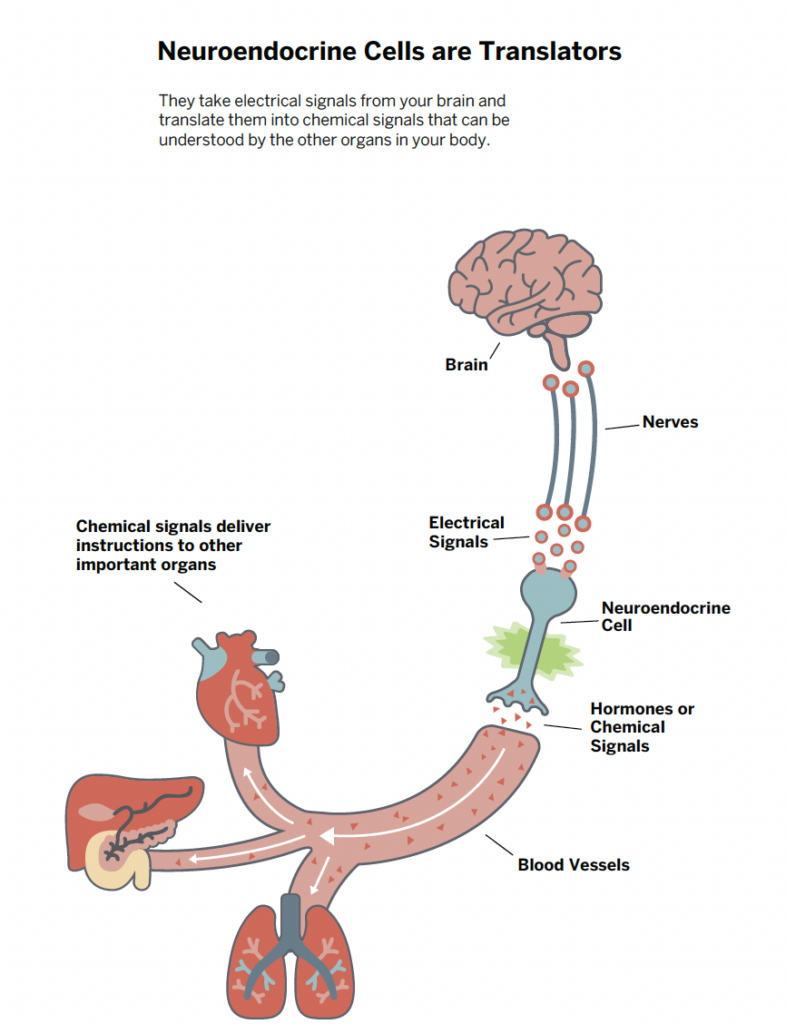
Neuroendocrine tumors, or NETs, are tumors that arise from neuroendocrine cells. They can develop in different organs and may have different patterns of growth and behaviour.
Gastrointestinal and pancreatic neuroendocrine tumors may require a combination of diagnostic, surgical and medical treatment approaches depending on the tumor's location, grade, stage and other clinical findings.
Surgery may have a role in selected patients. The appropriate approach is determined after reviewing pathology, imaging, disease extent and the patient's overall health.
The treatment plan depends on tumor location, grade, stage, resectability, imaging findings, pathology and the patient's overall clinical condition.
The location of a neuroendocrine tumor influences symptoms, investigations and treatment planning.
Neuroendocrine tumors can develop in the small intestine and may require evaluation of the primary tumor and any associated disease spread.
Gastric NETs may have different clinical characteristics, making appropriate endoscopic, pathological and clinical assessment important.
Pancreatic neuroendocrine tumors may require detailed assessment of the tumor's location, size, biological characteristics and relationship with surrounding structures.
Neuroendocrine tumors may also arise in the appendix or colon, where treatment depends on tumor characteristics and disease extent.
Neuroendocrine tumors are not all the same. Their grade, differentiation, proliferation characteristics and stage can influence the treatment approach.
The grade reflects how quickly the tumor cells are dividing and is an important part of determining the biological behaviour of a NET.
Pathology helps determine whether a tumor is well differentiated or has features requiring a different treatment strategy.
Assessment of the primary tumor, lymph nodes and possible distant disease helps establish the overall extent of the cancer.
Some neuroendocrine tumors can produce hormones and may cause symptoms related to hormone release, while others may not.
The organ and exact anatomical location of the tumor influence the possible surgical approach and treatment strategy.
Age, general health, previous treatments and other medical factors are considered when developing an individual treatment plan.
Some neuroendocrine tumors may cause no symptoms for a long time, while others may produce symptoms because of their location or hormone activity.
Abdominal pain, discomfort, bloating or changes in bowel habits may occur depending on the tumor location.
Diarrhoea or other bowel changes can occur in some patients, particularly with certain hormone-producing NETs.
Episodes of flushing may occur with some hormone-producing neuroendocrine tumors.
Weight changes, fatigue or other unexplained symptoms may occur but are not specific to NETs and require proper medical evaluation.
Diagnosis of a neuroendocrine tumor may involve several investigations. The exact combination depends on the suspected tumor location and clinical presentation.
Pathology is particularly important because neuroendocrine tumors are evaluated using specific pathological and biological characteristics.
Treatment planning begins with understanding the tumor's location, grade, stage and extent of disease.
Tissue examination helps establish the diagnosis and provides important information about tumor differentiation and grade.
Additional pathological markers may be used to support the diagnosis and classification of a neuroendocrine tumor.
Cross-sectional imaging may help assess the primary tumor, surrounding anatomy and possible disease spread.
In appropriate cases, specialised functional imaging may help identify neuroendocrine tumor sites and assess disease extent.
Depending on the suspected location, upper GI endoscopy or other endoscopic evaluation may be used to identify and assess a tumor.
Additional blood or biochemical tests may be considered depending on the suspected type and hormone activity of the NET.
Surgery may be considered for selected neuroendocrine tumors depending on tumor location, resectability, disease extent and the patient's overall condition.
When a NET is localized and surgically removable, resection of the primary tumor may be considered as part of the treatment plan.
Minimally invasive surgery may be considered for selected NET procedures when the tumor location, anatomy and planned operation are suitable.
More complex cases may require detailed assessment of anatomy, disease extent and the relationship of the tumor with nearby organs and blood vessels.
Pancreatic NET surgery requires careful assessment of tumor location, size, relationship with the pancreatic duct and surrounding structures.
Small bowel NETs may require assessment of the primary tumor, nearby lymph nodes and the extent of mesenteric disease.
Depending on the tumor and stage, regional lymph nodes may need to be assessed or removed during surgical treatment.
When disease has spread, surgery may still have a role in selected situations, depending on the pattern and extent of disease.
Depending on the tumor characteristics and stage, treatment may involve surgery, medical oncology, targeted treatments or other specialised therapies.
Confirm the tumor type and review pathology, imaging and relevant clinical findings.
Determine the extent of disease and evaluate whether the tumor is localised or has spread.
Select the appropriate combination of surgical and non-surgical treatment options.
Continued surveillance and further treatment are planned according to pathology and clinical findings.
The appropriate treatment depends on the type, location, grade and stage of the neuroendocrine tumor.
Surgery may be considered when the tumor can be safely and appropriately removed.
Certain hormone-producing or advanced NETs may be treated with medicines that target somatostatin receptors.
Depending on tumor characteristics, targeted medicines may form part of treatment for selected advanced neuroendocrine tumors.
Selected receptor-positive NETs may be considered for specialised radionuclide treatment as part of comprehensive oncology care.

Dr. Nitin Singhal is a surgical oncologist in Ahmedabad with experience in cancer surgery and complex gastrointestinal oncology.
For patients with neuroendocrine tumors, treatment planning involves understanding the tumor's location, pathology, grade, stage and relationship with surrounding structures before considering whether surgery may have a role.
Patients looking for a neuroendocrine tumor surgeon in Ahmedabad can undergo a detailed evaluation to understand the tumor's location, grade, stage and treatment options.
Neuroendocrine tumors may develop in the gastrointestinal tract, pancreas and other organs. Their behaviour can vary significantly, so treatment planning is based on individual pathology, imaging and clinical findings.
Surgery may be considered for selected gastrointestinal and pancreatic neuroendocrine tumors when the disease can be appropriately treated surgically. The surgical approach may be open, laparoscopic or robotic depending on the individual case.
Patients searching for NET treatment in Ahmedabad can discuss their pathology reports, imaging and previous treatment history with a surgical oncologist to understand whether surgery or another treatment approach may be appropriate.
Common questions about NET diagnosis, surgery and treatment planning.
A neuroendocrine tumor, or NET, is a tumor arising from neuroendocrine cells. NETs can occur in different organs and may behave differently depending on their grade, differentiation, location and stage.
NETs can occur in several parts of the body. Gastrointestinal NETs may involve the stomach, small intestine, appendix or colon, while pancreatic neuroendocrine tumors arise in the pancreas.
No. Treatment depends on the tumor's location, grade, stage, biological characteristics and overall clinical situation. Surgery may be appropriate for selected tumors, while other patients may require medical or other specialised treatments.
Robotic-assisted surgery may be considered for selected neuroendocrine tumor procedures when the tumor location, anatomy and planned operation make a minimally invasive approach appropriate.
Depending on the suspected tumor, evaluation may include biopsy and histopathology, immunohistochemistry, CT or MRI, endoscopic evaluation, biochemical tests and specialised functional imaging when appropriate.
Tumor grade provides information about how quickly the tumor cells are dividing and is one of the factors used to understand the biological behaviour of a neuroendocrine tumor.
Some NETs can spread beyond their original site. The extent of disease is assessed using appropriate imaging, pathology and clinical evaluation and is important when deciding the treatment strategy.
Treatment planning considers the primary tumor location, grade, differentiation, stage, resectability, imaging findings, symptoms and overall health. Depending on the situation, treatment may involve surgery, medication or other specialised cancer therapies.
Get a personalised evaluation to understand your neuroendocrine tumor diagnosis, pathology, stage and whether surgery may have a role in your treatment.

Dr. Nitin Singhal has been recognised for his contribution to cancer care and surgical oncology, reflecting his commitment to advanced surgical techniques, clinical excellence and patient-centred care.
Surgical oncology training from Tata Memorial Hospital, Mumbai.
Expertise across complex and multidisciplinary cancer surgery.
Honoured for excellence in healthcare and surgical oncology.
Focus on evidence-based and personalised cancer treatment.
Recognition that reflects a continued commitment to excellence in cancer care.